2026 Best Nylon Slings for Safety and Performance in Lifting Tasks?
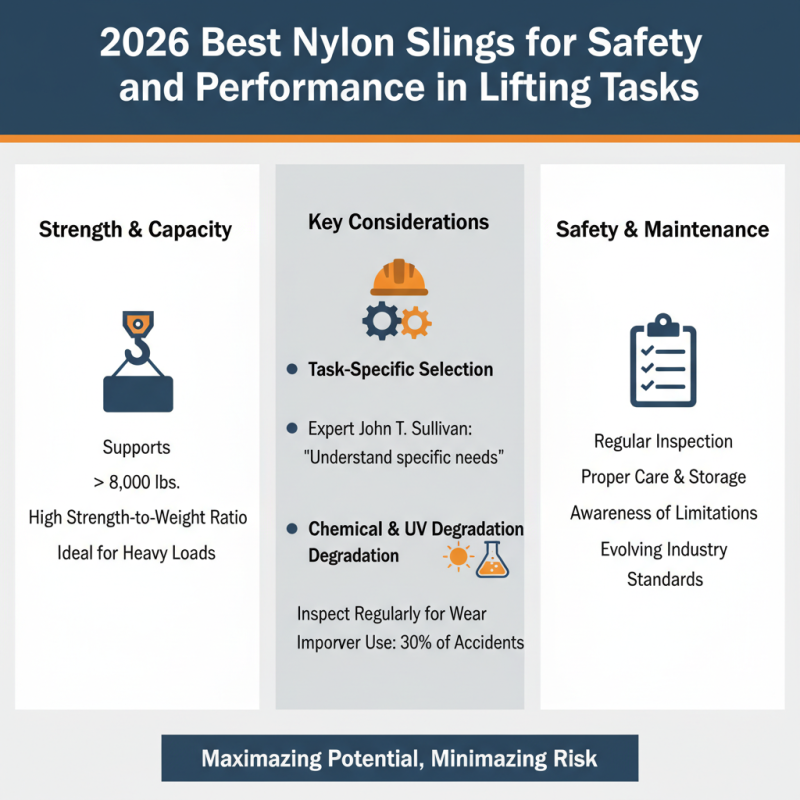
In the realm of lifting tasks, the safety and efficiency of equipment are paramount. Nylon slings have become a highly preferred choice in many industrial applications due to their remarkable strength-to-weight ratio. According to a recent report from the Industrial Sling Association, nylon slings can support loads exceeding 8,000 pounds, making them suitable for heavy lifting on construction sites. However, the quality of these slings varies significantly.
Expert John T. Sullivan, a leading voice in lifting equipment safety, emphasizes that "understanding the specific needs of your lifting task is essential when selecting nylon slings." Despite their advantages, nylon slings also present challenges. They can degrade when exposed to harsh chemicals or UV light, leading to potential failures. Data shows that improper use accounts for nearly 30% of lifting accidents in the industry.
It is critical for users to regularly inspect their nylon slings for signs of wear. This ensures that they maintain their integrity during operation. Awareness of the limitations and proper care is vital in harnessing the full potential of nylon slings. As the industry evolves, so do the options available for safe and effective lifting solutions.
Overview of Nylon Slings and Their Applications in Lifting Tasks
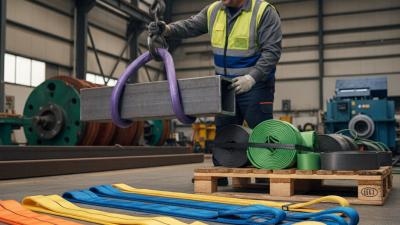
Nylon slings are essential tools in various lifting tasks across different industries. Their versatility makes them suitable for numerous applications, such as
construction, manufacturing, and shipping. Data shows that nylon slings can handle loads ranging up to 8,000 pounds, depending on their width and length. This strength is crucial when lifting heavy materials, ensuring both safety and efficiency.
One significant advantage of nylon slings is their ability to stretch under load. This feature allows for some give during lifting, which can help to prevent sudden jerks that might damage equipment or cause injuries. However, this inherent flexibility can also lead to difficulties in maintaining precise control during lifts. Safety regulations often encourage regular inspections to identify any signs of wear, which might compromise their performance.
Additionally, nylon slings must be used correctly to avoid accidents. Improper rigging or overloading can lead to slings breaking unexpectedly. Reports indicate that 20% of lifting accidents involve equipment failure, and many of these are due to user error. Understanding the limitations and applications of nylon slings can improve safety in lifting tasks and enhance overall performance.
Key Factors to Consider When Choosing Nylon Slings for Safety
When choosing nylon slings for lifting tasks, several key factors come into play. Safety is paramount. A data report from the Industrial Safety and Health Association reveals that approximately 1,000 injuries occur each year due to improper slinging techniques. Users must ensure that they select slings with the appropriate weight capacity. Each sling has a designated Working Load Limit (WLL). This is critical. Using a sling beyond its capacity can lead to catastrophic failures.
Another important consideration is the environment. Nylon slings can degrade when exposed to UV light, chemicals, or extreme temperatures. Reports indicate that slings should be inspected regularly for wear or damage, as even minor fraying can compromise their integrity. Visual inspections can often reveal issues that may not be apparent otherwise. Awareness of these conditions is essential for maintaining safety standards on site.
Finally, the choice of sling type can affect performance. Flat slings distribute weight evenly but may not be suitable for all environments. Round slings, on the other hand, offer flexibility but may lack the same surface area. A balance between usability and safety must be achieved. Not every option will fit all scenarios, leading to ongoing evaluations and adjustments. Making the right choice requires careful thought and reflection on current practices.
2026 Best Nylon Slings for Safety and Performance in Lifting Tasks
Top Features of the Best Nylon Slings for Performance in Lifting
When selecting nylon slings for lifting tasks, several key features stand out. The material itself is strong yet lightweight. This balance is crucial for safe lifting. A high-quality nylon sling can bear substantial weight while remaining easy to handle. Look for slings with reinforced edges. This feature protects against wear and tear during use. Stitches should be durable and evenly spaced for maximum reliability.
Consider the sling's design. Flat slings provide a larger surface area for even weight distribution. This characteristic minimizes the risk of damage to both the sling and the load. Color-coded slings indicate their weight capacity. This coding aids in quick identification and enhances safety. Flexibility is another valuable trait. A flexible sling can adapt to different lifting angles, providing better performance.
Take into account the care instructions. Slings need proper maintenance to extend their lifespan. Regular inspections for frays or cuts are essential. Not all slings can withstand harsh environments. Some may degrade under certain conditions. This could lead to unexpected failures during lifting tasks. Always evaluate your specific lifting needs against the sling's features. Choosing a suitable nylon sling isn't just about strength; it requires thoughtful consideration of all aspects for safe and effective lifting.
Comparative Analysis of Popular Nylon Sling Brands for 2026
In 2026, selecting the right nylon sling for lifting tasks is crucial. Industry reports indicate that nylon slings account for over 45% of the lifting sling market. Their flexibility and strength make them a favorite. However, inconsistencies in quality among brands necessitate careful analysis.
Some nylon slings exhibit a breaking strength that varies by manufacturer. For instance, reports show that the average breaking strength of a standard nylon sling is around 6,000 pounds. Yet, some brands fall short of this benchmark. This disparity can lead to safety risks in high-stakes environments. Research suggests that up to 30% of workplace accidents occur due to equipment failure.
When evaluating nylon slings, it’s important to consider factors beyond just the breaking strength. The lifespan of a sling varies greatly. Many users overlook wear and tear, which can reduce effectiveness. A sling might look fine externally but could face internal fraying or damage. Such details are essential when assessing overall performance.
Maintenance and Care Tips for Optimal Performance of Nylon Slings
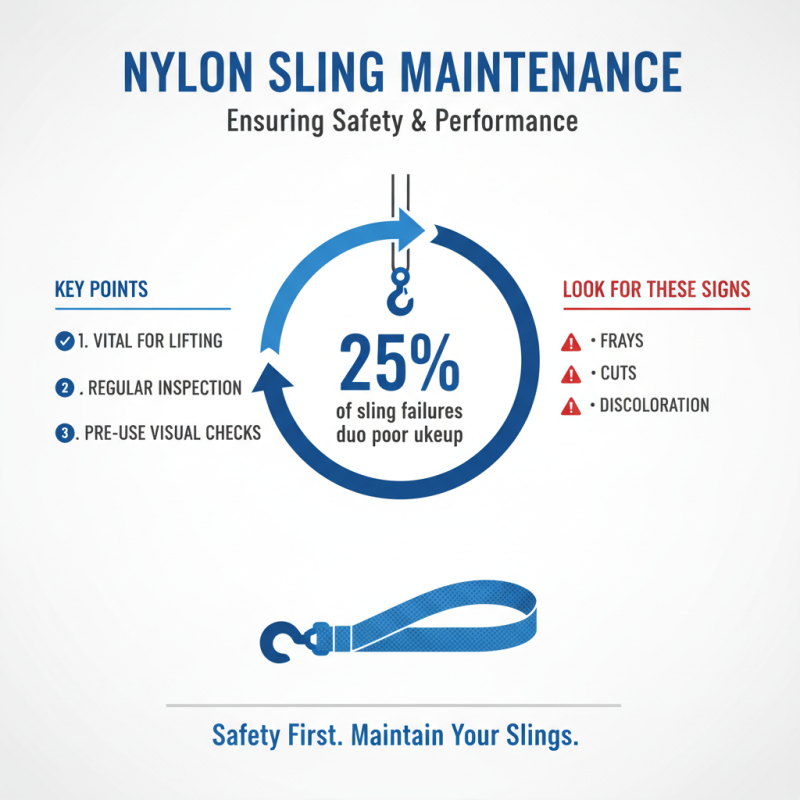
Nylon slings are vital for lifting tasks. Proper maintenance ensures safety and performance. Regular inspection is crucial. A study shows that about 25% of sling failures result from poor upkeep. Visual checks should happen before each use. Look for frays, cuts, or discoloration. Each of these signs can indicate weakened material.
Cleaning is another essential part of care. It’s recommended to wash nylon slings with mild soap and water. Avoid harsh chemicals as they can degrade the fibers. However, even this may not remove all dirt and grime. Some users overlook this aspect, risking sling integrity. After cleaning, slings should be air-dried, out of direct sunlight. Hanging them can prevent deformation.
Storage also plays a key role in performance. Storing slings in a cool, dry place is ideal. Extreme temperatures can affect nylon's strength. Research indicates that prolonged exposure to UV rays can reduce the sling's lifespan by up to 50%. Users sometimes underestimate this risk, leading to accidents. Taking these maintenance steps seriously can make a difference in lifting safety.