10 Best Rigging Slings for Heavy Lifting?
Heavy lifting begins long before a crane leaves the ground. The right rigging slings help distribute weight, protect finished surfaces, and keep suspended loads stable. A poorly chosen sling can twist, cut, stretch, or fail under uneven pressure. Small details matter.
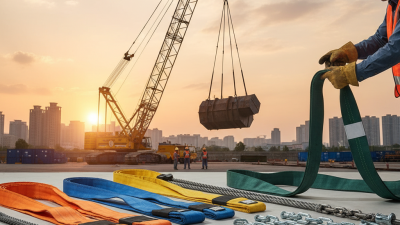
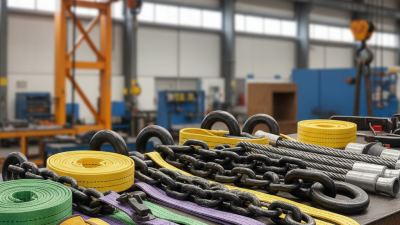
This guide examines ten reliable rigging slings for demanding lifting work. It considers material, working load limit, flexibility, abrasion resistance, temperature tolerance, and inspection needs. Polyester web slings suit many general applications and can protect painted equipment. Wire rope slings offer strength and durability around rough jobsite conditions. Chain slings handle heat and sharp edges better, when properly selected and fitted. Round slings provide flexibility around irregular loads, but their protective sleeves need careful attention.
Real lifting conditions rarely match a product photograph. A load may have a sharp corner, a wet surface, or an unbalanced center of gravity. That changes the safest choice. Check the manufacturer’s identification tag, rated capacity, hitch configuration, and sling angle before every lift. Look for cuts, crushed fibers, broken wires, stretched links, burns, and chemical damage. Do not rely on appearance alone.
No single sling wins every job. That is worth remembering. Even experienced crews can miss hidden damage during a rushed inspection. This comparison supports better decisions, but it cannot replace competent planning, trained operators, or site-specific risk assessment. Select equipment from reputable manufacturers, follow current industry guidance, and remove questionable slings from service immediately. The safest lift is the one planned carefully before the load leaves the ground.
What Rigging Slings Are and How They Support Heavy Lifting
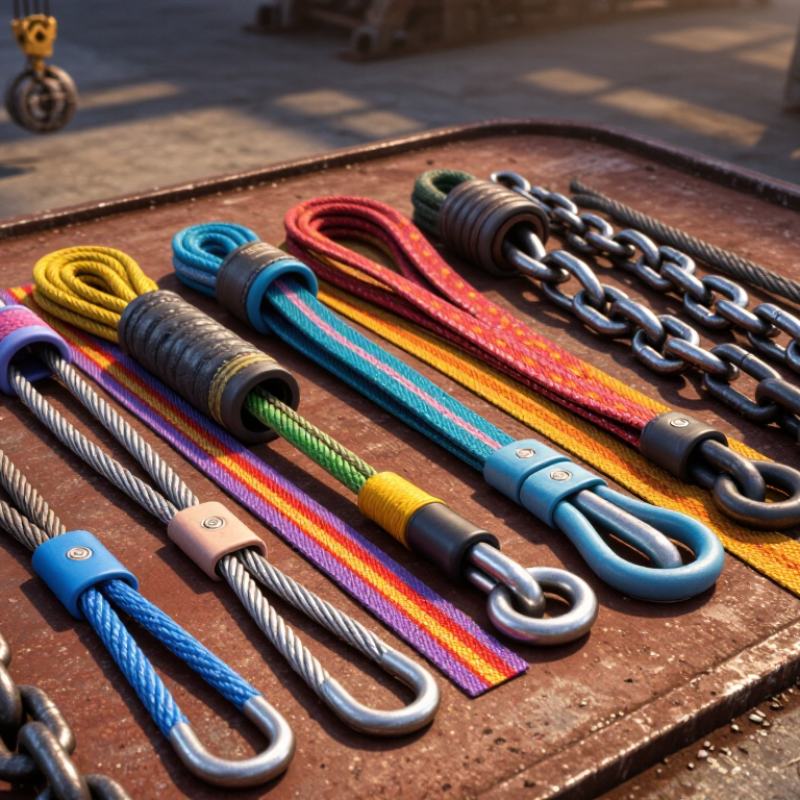
Rigging slings are flexible load-bearing connectors used between lifting equipment and a heavy load. They help distribute force, protect contact points, and control the load during movement. Common types include web slings, round slings, wire rope slings, and chain slings. Each material behaves differently under heat, abrasion, sharp edges, moisture, and repeated loading.
Selecting a sling requires more than checking its length. The working load limit must match the load, hitch type, lifting angle, and connection hardware. A small angle can increase tension dramatically. For example, a sling used in a steep basket hitch may carry force more efficiently than one pulled nearly horizontal.
Sharp steel edges can cut synthetic fibers, so corner protection is essential. The sling should sit evenly, without twists, knots, or trapped sections.
A competent lifting team inspects every sling before use. Look for broken wires, stretched links, melted fibers, torn stitching, chemical damage, or unreadable identification tags. Damaged equipment needs immediate removal, not a hopeful second chance.
Even experienced crews can overlook gradual wear in poor lighting. That is a weakness worth admitting. Clear communication, controlled movement, and a level landing area also reduce sudden loading.
The best sling is not always the strongest one; it is the suitable one, used within its limits and checked throughout the lift.
How to Evaluate the 10 Best Rigging Slings
10 Best Rigging Slings for Heavy Lifting?
How to Evaluate the 10 Best Rigging Slings
The ten best rigging slings should be ranked by application, not advertising claims. Start with working load limit, sling material, hitch type, and lifting angle. A sling rated for a vertical lift may lose capacity in a basket or choker configuration. Never confuse breaking strength with working load limit.
The 2023 U.S. Bureau of Labor Statistics Census of Fatal Occupational Injuries recorded 1,069 deaths in transportation and material-moving occupations. The figure is not sling-specific, but it shows why selection and inspection deserve disciplined attention. Compare each candidate against ASME B30.9 requirements, including identification tags, rated capacity, stitching, hardware, and inspection procedures. Check abrasion resistance, chemical exposure, temperature limits, ultraviolet aging, and edge protection needs. Small cuts matter.
A practical evaluation should include a controlled visual inspection before every lift. Look for broken fibers, melted areas, stretched stitching, crushed eyes, corrosion, and distorted fittings. Then test the sling’s documentation: manufacturer traceability, material specification, proof-test records, and clear capacity charts. HSE’s 2022/23 statistics recorded 135 worker deaths in Great Britain, reinforcing the need for verifiable controls.
Field experience complicates neat rankings. A lightweight synthetic sling may protect finished surfaces, yet fail quickly against sharp steel.
Chain slings tolerate heat better, but they add weight and can damage loads. Wire-rope slings offer stiffness, though internal corrosion can remain hidden.
I would also question any “best” list that ignores storage conditions. Wet, dirty floors are not neutral. Lodged debris can become the failure point.
Safety Standards, Load Limits, and Inspection Requirements
10 Best Rigging Slings for Heavy Lifting?
A good sling is not automatically a safe sling. Web, round, wire-rope, and alloy-chain slings each handle different loads, temperatures, edges, and chemical exposures. The rated working load limit must match the hitch, angle, and sling configuration. A 60-degree lift angle usually preserves more capacity than a 30-degree angle. Never estimate it by appearance.
Load limits must remain visible and readable. OSHA 29 CFR 1910.184 requires employers to follow marked capacities and remove damaged slings from service. The same standard requires thorough inspections at least every 12 months, with shorter intervals for severe or frequent use. Daily checks should look for cuts, broken wires, stretched links, heat damage, crushed sections, and missing tags. Small defects matter.
Very small defects.
The U.S. Bureau of Labor Statistics recorded 5,283 fatal workplace injuries in 2023. That figure does not identify sling failures, but it reinforces the cost of weak controls. ASME B30.9 also supports documented inspections by qualified personnel. In practice, a sling may pass a quick visual check yet fail around a sharp corner or contaminated surface. I have seen inspection habits become routine and careless. That is the part worth questioning. Use edge protection, confirm the load weight, control swing paths, and quarantine anything uncertain. Feelings are not load calculations.
How to Choose the Right Sling for Your Lifting Operation
Choosing the right rigging sling starts with the load, not the sling rack.
Confirm the load’s weight, shape, lifting points, and center of gravity. Check the sling’s working load limit under the intended hitch and lifting angle. A basket hitch usually carries more than a vertical hitch, but the angle can reduce capacity sharply.
Wire-rope slings suit abrasive, heavy loads. Chain slings tolerate heat and rough handling. Web slings protect painted surfaces, while round slings adapt well around uneven shapes. Endless slings can create basket or choker hitches. Bridle and multi-leg slings help balance loads with suitable lifting points. Ten options may exist, but none is best for every lift.
Inspect every sling before use. Look for broken wires, stretched links, cuts, melted fibers, damaged stitching, corrosion, or unreadable tags. Use edge protection when steel corners could slice synthetic material. Keep hands away from pinch points, and never stand beneath a suspended load. Trained riggers should confirm the sling angle, hardware compatibility, and weather conditions before signaling the lift.
Small details matter. A wet web sling may feel heavier, yet moisture is not the only concern. Chemicals, heat, and hidden damage can change its strength. I have learned that visual checks are useful, but not perfect. When doubt remains, remove the sling from service and ask a qualified person to assess it. The safest choice is sometimes no lift.