Steel wire rope plays a crucial role in various industries. Selecting the right type can significantly impact project efficiency. With so many options available, it’s important to understand their differences.
In construction, for instance, steel wire ropes are essential for lifting heavy loads. Their strength and durability are crucial for safety. However, not every type suits every project. This can lead to inefficiencies or safety hazards.
When considering steel wire rope, factors such as weight capacity and flexibility are key. Projects often have unique requirements. Finding the right match may take time. Yet, making the right choice ensures long-lasting performance.
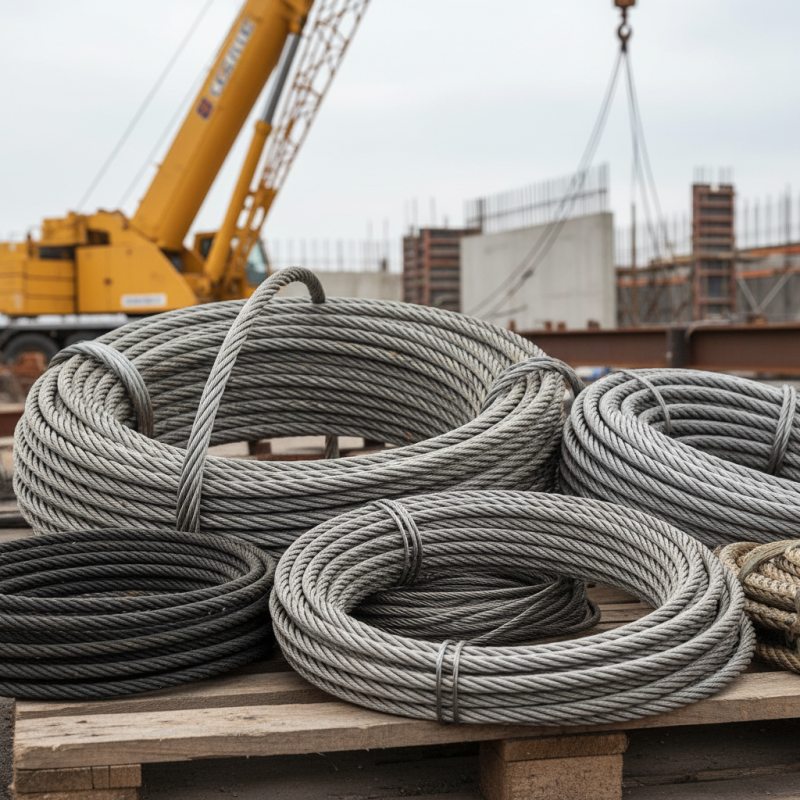
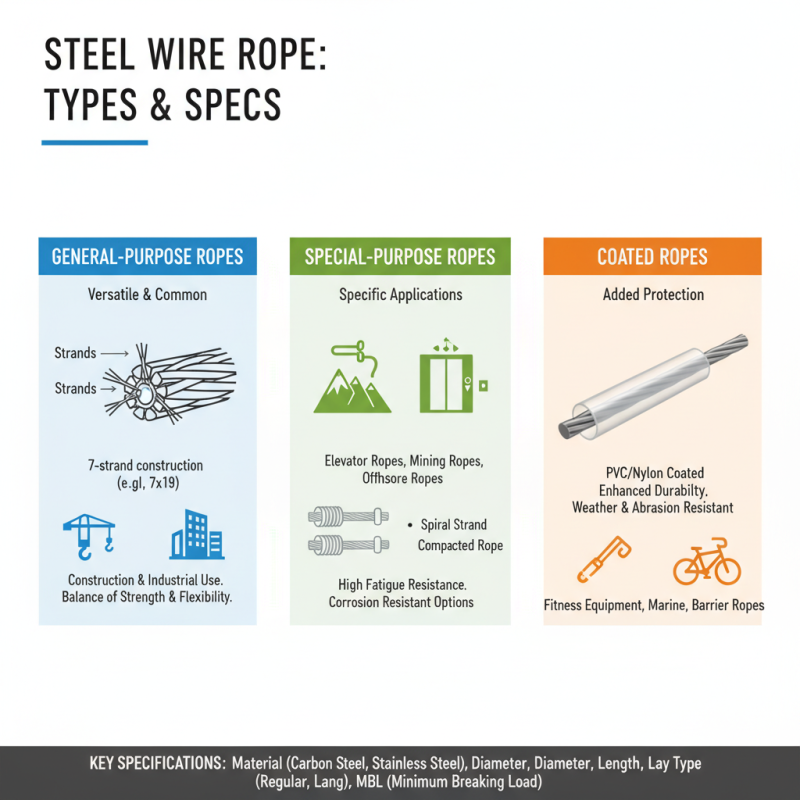
When working with steel wire rope, understanding its types and specifications is crucial. Steel wire ropes are commonly categorized into three main types: general-purpose ropes, special purpose ropes, and coated ropes. General-purpose ropes are versatile and widely used in construction. They often have a construction of 7 strands with varying numbers of wires per strand, providing a balance of strength and flexibility.
Specifications are essential when selecting a steel wire rope. The diameter, breaking load, and construction type all affect performance. For instance, a 12mm diameter rope may have a breaking load of around 17,000 kilograms. This data illustrates the strength offered by thicker ropes. However, the larger the diameter, the less flexible the rope becomes. Many projects require a trade-off between strength and maneuverability.
Moreover, attention to how ropes are used is often overlooked. Ropes can degrade over time, particularly when exposed to harsh environments. Regular inspections can help identify wear and tear. Unfortunately, not all users are diligent. This leads to unexpected failures, which can cause project delays. In industry reports, over 30% of accidents in rigging are due to the improper use of equipment. Understanding these aspects can significantly improve safety and efficiency in operations.

When selecting steel wire rope, there are several key factors to consider.
Tensile strength is paramount.
It defines the maximum load the rope can support before failing. According to a report by the
International Organization for Standardization (ISO), the tensile strength of steel wire ropes
typically ranges from 1,600 to over 2,300 megapascals.
Choosing the right strength for your specific project is vital.
Misjudging this can lead to catastrophic failures.
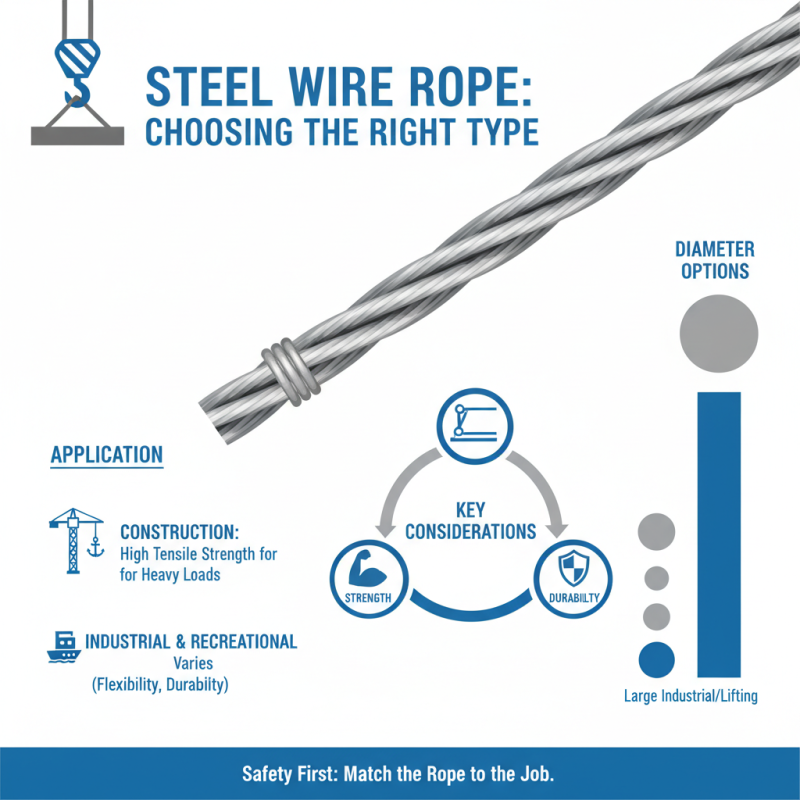
Diameter also plays a critical role. Larger diameters generally offer more strength but may be less flexible.
Flexibility is essential in many applications.
For instance, in construction, ropes need to maneuver easily around obstacles. Poor flexibility can make handling cumbersome
and increase the risk of accidents. This is a common oversight that makes projects more challenging.
Lastly, corrosion resistance should not be overlooked.
Environmental conditions can significantly impact the longevity of steel wire ropes.
A report by the American Society of Testing and Materials (ASTM) emphasizes selecting ropes suitable for
specific environments, such as maritime or industrial settings.
Ignoring these factors might save costs initially but can lead to increased long-term expenses.
Always think critically about the choices being made.
When choosing steel wire rope, consider your specific application. The type of project impacts the strength, flexibility, and durability required. For example, construction projects often need ropes with high tensile strength. This ensures safety when lifting heavy loads. Different diameters are also available, allowing for various uses, from industrial to recreational.
In maritime settings, corrosion resistance is vital. Stainless steel ropes are a good choice here. They withstand saltwater and harsh conditions. Additionally, thickness can determine performance. A thicker rope generally provides enhanced strength but can be less flexible. Finding the right balance between flexibility and strength can be challenging.
Always check the specifications before making a purchase. Ropes can vary significantly in quality. Not all options may meet your needs. It's critical to assess the environment in which the rope will be used. When in doubt, consult an expert. Ropes are a vital part of safety in many projects. Investing time in this choice is essential for successful outcomes.
When selecting steel wire rope for projects, strength ratings are crucial. An analyzed report from industry professionals indicates that the tensile strength of steel wire rope can vary significantly, ranging from 1,500 to over 40,000 pounds. Each project may require different ratings based on load demands.
In the construction sector, ropes with higher ratings are essential. Many projects require ropes that can withstand not only weight but also environmental factors. Data shows that using a rope with an inadequate strength rating can lead to project failures. This often happens due to overlooked specifications or underestimation of loads.
Also, rope construction matters. A 6x19 construction offers flexibility, while 6x37 provides strength. Evaluating this is vital but often neglected. Choosing the correct configuration affects performance in real-world applications. Awareness of these factors can significantly impact durability and safety. Many overlook this need for rigging details, leading to possible hazards.
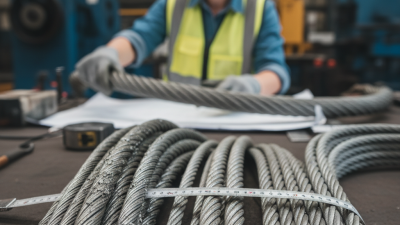
Maintaining steel wire rope is crucial for its longevity. Regular inspections can prevent unexpected failures. Check for fraying and corrosion. These signs indicate that your rope may not withstand heavy loads. Visual checks are essential but not always sufficient. Use a more tactile approach. Feel for any rough spots or irregularities along the rope.
Lubrication is another vital aspect. A few drops of appropriate lubricant can go a long way. It not only reduces friction but also helps in preventing rust. Apply lubricant during inspections, ensuring even coverage. However, avoid over-lubrication, which can attract dirt and grime. Dirt buildup can compromise the rope's strength.
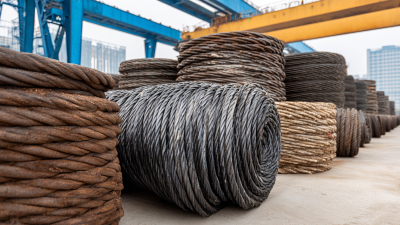
Storage also plays a significant role in rope performance. If convenient, store the wire rope in a dry place. Humidity and extreme temperatures can damage it over time. Ensure the rope is neatly coiled and not kinked. Kinks lead to uneven wear. Always handle the rope carefully to prevent unnecessary strain. Good care can make all the difference in performance.