Understanding Chain Slings: Essential Safety Tips and Usage Guidelines for Heavy Lifting
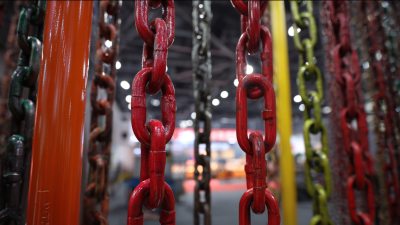
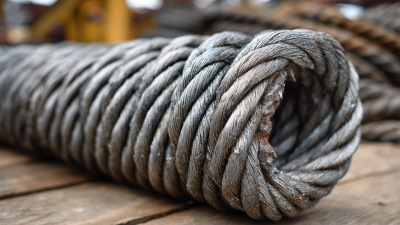
In the heavy lifting and rigging industry, chain slings play a crucial role in ensuring safe and efficient load handling.
According to the 2022 report by the American National Standards Institute (ANSI), improper use of lifting equipment causes approximately 20% of all construction-related injuries, highlighting the need for stringent safety practices when working with
chain slings. These versatile lifting devices are known for their strength and durability, capable of bearing substantial loads, yet they require knowledgeable handling to prevent accidents.
As the industry evolves, adherence to safety guidelines and understanding the appropriate usage of chain slings becomes more critical than ever.
With the growing emphasis on workplace safety and regulatory compliance, equipping personnel with essential safety tips and usage guidelines is not only a best practice but also a necessity for mitigating risks associated with heavy lifting operations.
Key Features of Chain Slings for Safe Heavy Lifting
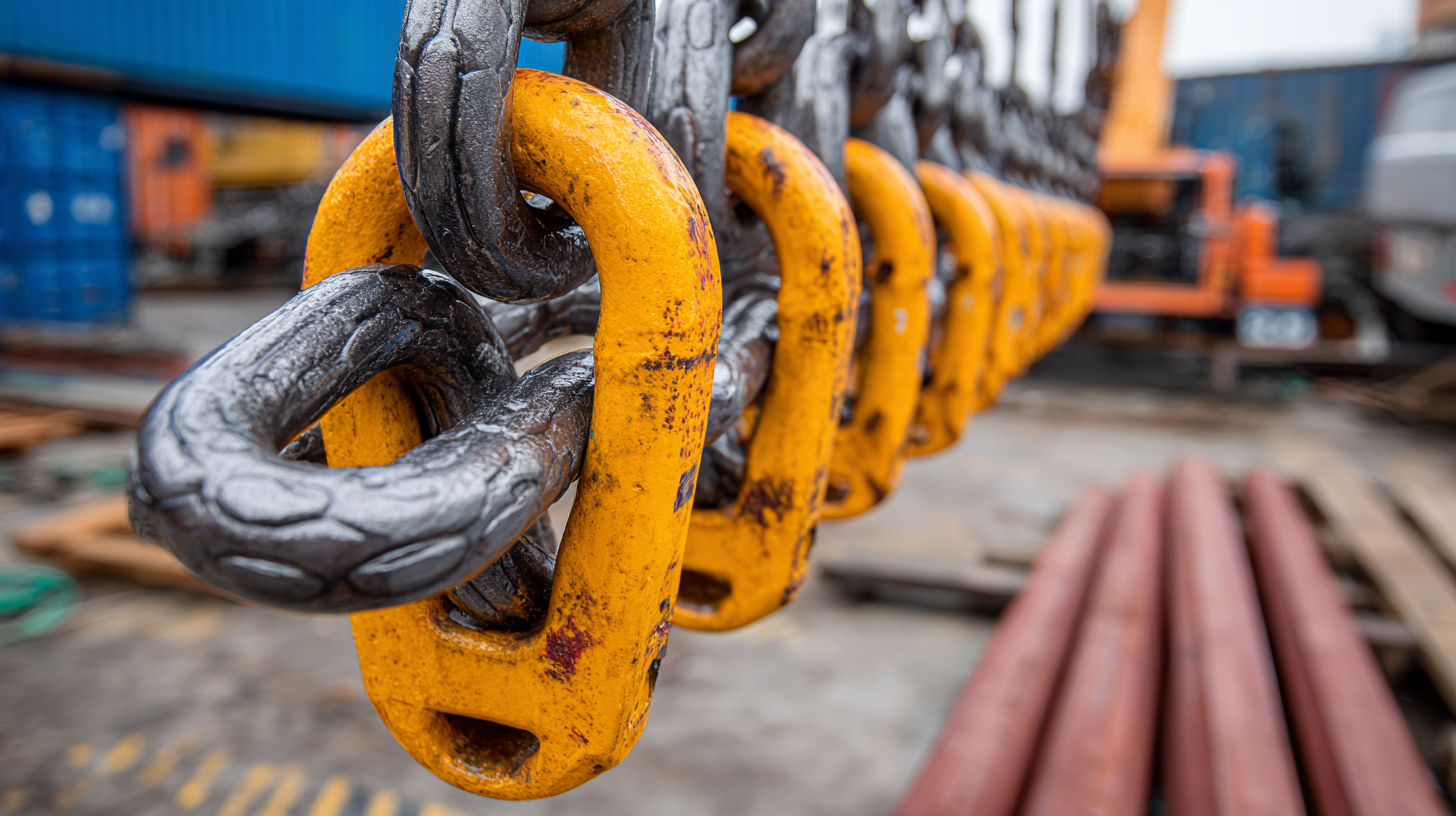
Chain slings are vital tools in heavy lifting applications, and understanding their key features can enhance safety and efficiency. One of the primary benefits of chain slings is their ability to handle heavy and irregularly shaped loads, such as pipes and barriers. In comparison to traditional lifting methods, chain slings provide superior strength and stability, reducing the risk of accidents during transportation. This is particularly important in construction settings where site safety directly impacts the workforce's well-being.
Incorporating safety tips when using chain slings is essential. Operators should always ensure that the sling’s load capacity is not exceeded and that the load is evenly balanced before lifting. Additionally, utilizing specialized lifting equipment can further enhance safety, especially with challenging materials. As the lifting accessories market continues to grow, investing in high-quality slings and safety gear will be crucial for industries that rely on heavy lifting, ensuring a secure working environment while adhering to stringent safety standards.
Essential Safety Tips When Using Chain Slings
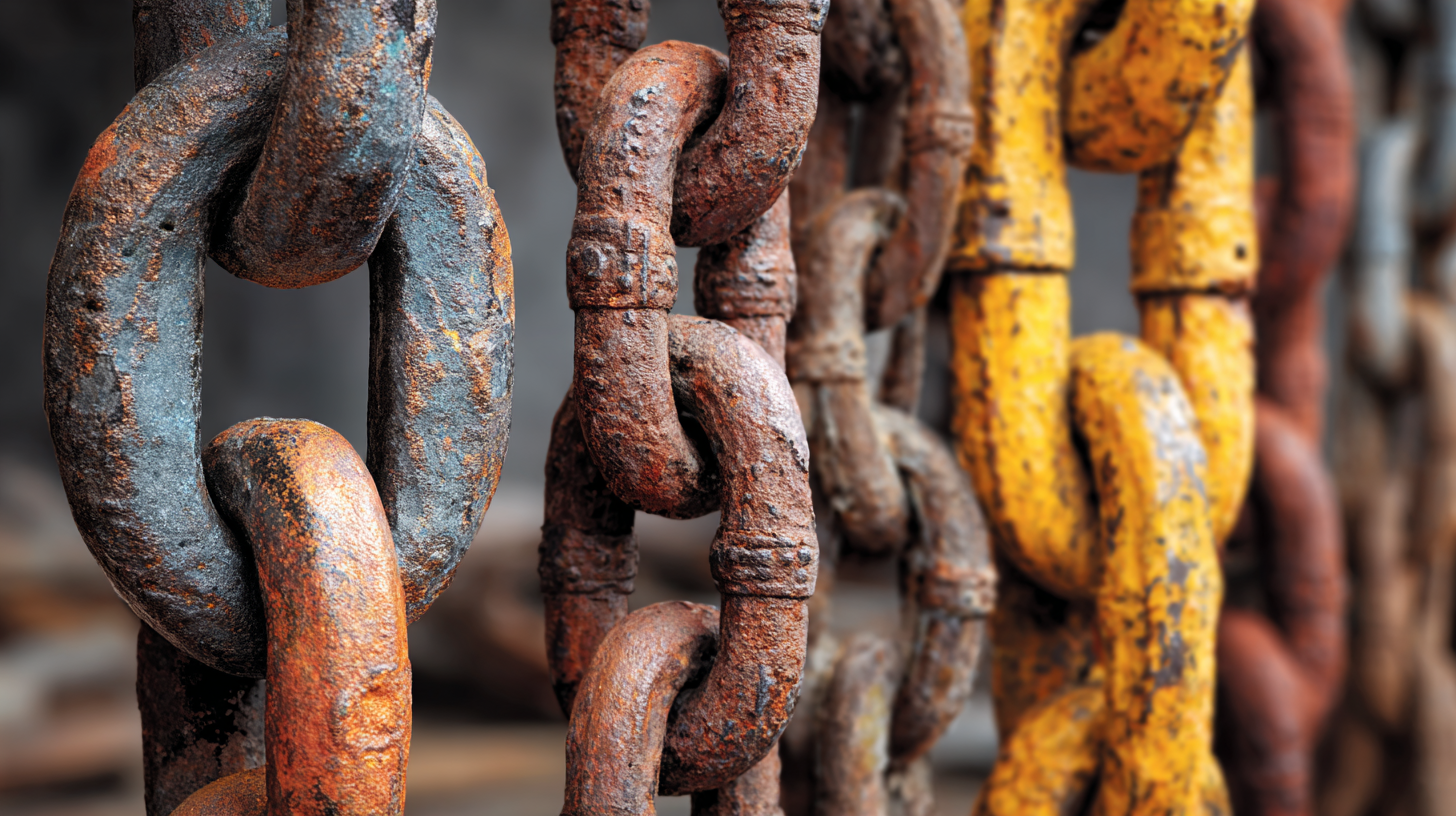
When it comes to heavy lifting, using chain slings safely is crucial to prevent accidents and injuries. Understanding the right practices can significantly enhance the safety and efficiency of your operations. First and foremost, always inspect your chain slings before use. Look for any signs of wear, such as cracks, elongation, or rust. If you identify any damage, do not use the sling; replace it to ensure the safety of the load and personnel involved.
Another essential tip is to choose the correct type of chain sling for the job. Consider the weight of the load and its shape, as well as the environment in which you will be working. Using the right configuration, such as a single leg or a double leg sling, can help distribute the weight evenly and minimize risks. Additionally, always ensure that the workload limit is clearly marked and never exceed it.
Finally, proper rigging methods should be practiced at all times. Ensure that the load is balanced and secured before lifting, and maintain a clear communication line with all team members involved in the operation. By following these safety tips, you can significantly reduce the risks associated with lifting heavy objects using chain slings.
Common Mistakes to Avoid in Chain Sling Operations
When utilizing chain slings for heavy lifting, avoiding common mistakes is crucial to ensuring safety and maximizing efficiency. One prevalent error is using a chain sling that is not rated for the load it is carrying. According to the Occupational Safety and Health Administration (OSHA), all lifting equipment must be properly rated to handle the weight of the load in order to prevent accidents. Inadequate sling ratings can lead to catastrophic slippage or failure, posing severe risks to both personnel and equipment.
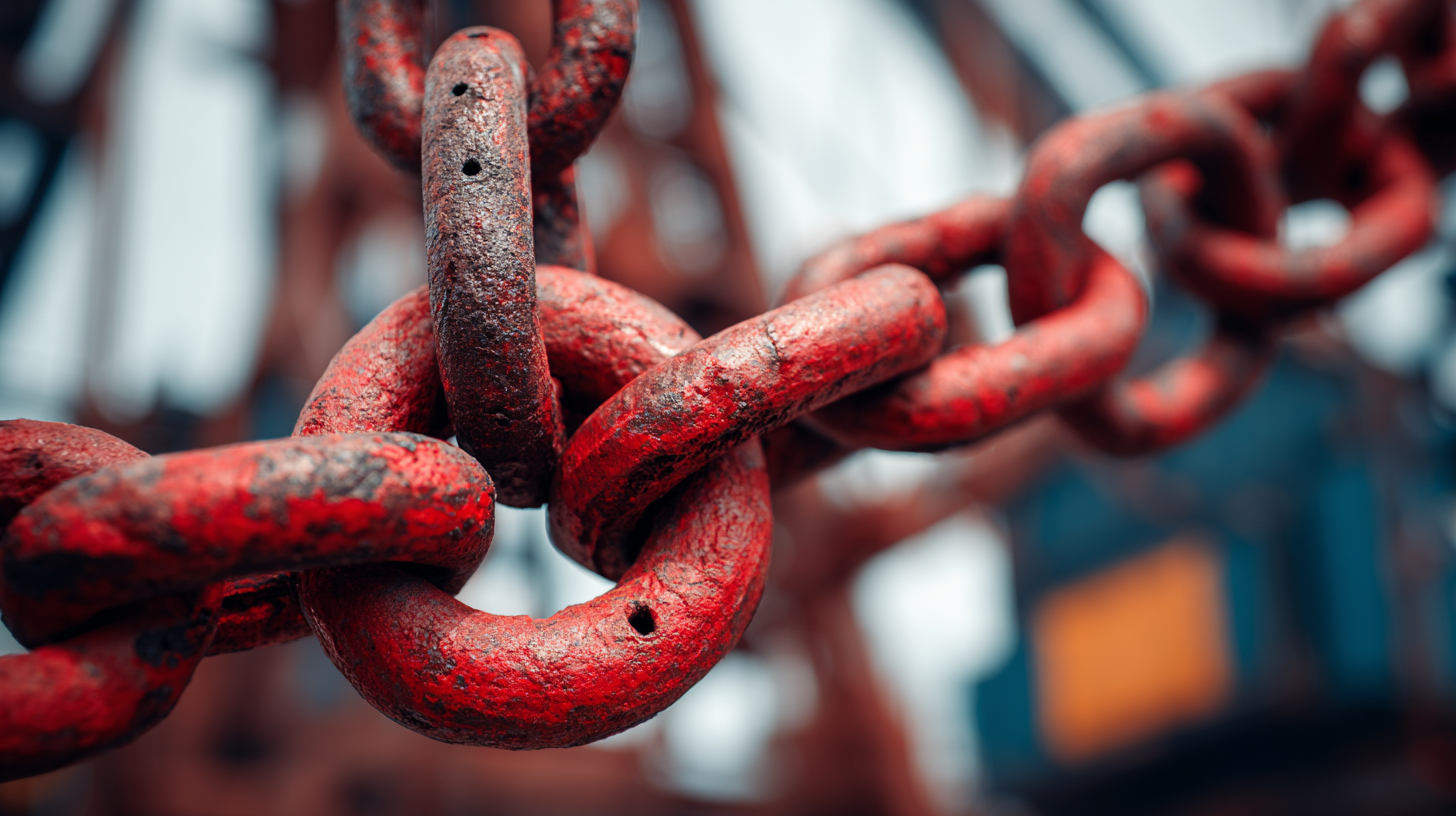 Another frequent mistake involves improper rigging techniques. Data from the Crane Safety 2021 report reveals that approximately 45% of lifting accidents occur due to poor rigging practices. This includes using inappropriate hitch configurations or neglecting to consider the angle of the sling, which can lead to excessive stress on the chain and consequently, failure. Additionally, operators should ensure that all connections are secure and that the load is evenly distributed across the sling. By adhering to guidelines and maintaining a rigorous inspection schedule, organizations can significantly reduce the likelihood of incidents during lifting operations.
Choosing the Right Chain Sling for Your Lifting Needs
When it comes to heavy lifting operations, selecting the appropriate chain sling is crucial for ensuring both safety and efficiency. With the lifting equipment market projected to grow at a compound annual growth rate (CAGR) of 6% through 2027, according to a report by ResearchAndMarkets, the significance of understanding different types of chain slings cannot be overstated. Factors such as load weight, lifting environment, and the configuration of the lift should influence your choice, as improper selection can lead to equipment failure or accidents.
Chain slings come in various configurations, including single-leg, double-leg, and multi-leg slings, each suited for specific lifting applications. For instance, a single-leg sling is ideal for vertical lifts, while a multi-leg sling offers better load distribution, enhancing stability during the lift. Data from the Occupational Safety and Health Administration (OSHA) indicates that improper rigging and sling selection contribute to a significant number of workplace injuries; thus, careful consideration and adherence to safety guidelines are paramount. When determining the right chain sling, always consult manufacturer specifications and ensure compliance with industry standards, such as those outlined by the American Society of Mechanical Engineers (ASME).
Understanding Chain Slings: Essential Safety Tips and Usage Guidelines for Heavy Lifting
| Type of Chain Sling |
Typical Load Capacity (tons) |
Common Applications |
Safety Tips |
| Grade 80 Chain Sling |
4.0 |
Construction, Oil & Gas |
Inspect for wear and deformation regularly. |
| Grade 100 Chain Sling |
5.0 |
Mining, Steel Industry |
Avoid shock loading and excessive angles. |
| Grade 120 Chain Sling |
6.5 |
Aerospace, Heavy Machinery |
Ensure hooks are not overloaded and are functioning properly. |
| Single Leg Chain Sling |
3.0 |
Lifting prefabricated elements |
Use proper lifting angles to minimize wear. |
| Double Leg Chain Sling |
8.0 |
Handling cylindrical loads |
Periodic testing is essential to maintain safety standards. |
Maintenance and Inspection Guidelines for Chain Slings
Regular maintenance and inspection of chain slings are crucial for ensuring safe and efficient heavy lifting operations. A thorough visual inspection should be conducted before each use, checking for any signs of wear, corrosion, kinks, or damaged components. Look closely at the links to ensure they are not elongated or distorted, as these conditions can significantly reduce the sling's load capacity. Additionally, check for proper markings and certifications on the sling to confirm it is suitable for the intended lift.
In addition to routine visual checks, a more comprehensive inspection should be carried out at regular intervals, typically dictated by usage frequency and environmental factors. This includes examining the chain for internal wear, which may not be visible externally. Keeping records of inspections helps track the sling’s condition over time and serves as an important reference for any necessary repairs or replacements. Proper storage of chain slings, away from harsh chemicals and elements, is also vital to prolong their lifespan and maintain safety during lifting tasks.