Choosing lifting chains with hooks is a practical safety decision, not a catalog exercise. The assembly must suit the load, lifting geometry, working environment, and intended use. A chain that looks substantial can still be unsuitable if its grade, length, or hook style is wrong. Small details matter. A hook that does not seat securely may shift as a load turns or settles. The U.S. Bureau of Labor Statistics reported 5,283 fatal work injuries across all industries in 2023. That figure is not specific to rigging, but it highlights the serious context of workplace hazards. The BLS Census of Fatal Occupational Injuries is a primary data source, not a product-selection guide.
This guide explains how to compare working load limits, chain grades, hook designs, and sling configurations. It also points readers toward inspection and documentation practices reflected in ASME B30.9, a recognized standard for slings. Check the tag. Confirm the load weight and the number of sling legs carrying it. Sling angles can change the force on each leg, so guessing from appearance is not enough. Never guess. Even experienced crews can overlook a mismatch when equipment is selected in a hurry. I would treat that as a useful reminder: a clear checklist helps, but it cannot replace competent judgment. The right lifting chains with hooks should be traceable, correctly rated, and suited to the actual lift—not merely convenient to buy.
Before choosing lifting chains with hooks, establish the complete load—not just the item’s shipping weight. Include fixtures, spreader beams, slings, and anything added during the lift. A palletized machine might weigh 900 kilograms, while its lifting frame adds another 80. Small details matter. Confirm the center of gravity and locate approved lifting points; an off-center load can rotate as tension rises. Measure the lift path and required headroom, and note any obstacles.
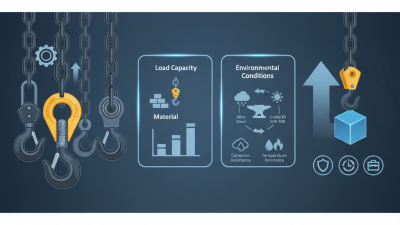
Then define how the chain will be used. Record the number of legs, sling angle, lift duration, and any movement that could cause shock loading. As the angle between legs widens, tension in each leg increases. Never assume two legs share the weight equally. Check the assembly’s marked working load limit for the actual hitch and configuration; the lowest-rated component sets the limit. Do not estimate capacity from chain diameter alone.
Temperature, sharp edges, chemicals, and outdoor corrosion can affect suitability. A label may be hard to read. Stop and verify it. If the load weight or attachment points remain uncertain, ask a qualified lifting professional to assess the setup before selecting hardware.
Selecting chain grade starts with the load and lift geometry, not appearance. ASME B30.9 sling-capacity tables rate Grade 100 chain at roughly 25% higher WLL than Grade 80 chain of the same nominal size in comparable single-leg configurations. This does not mean you should downsize automatically. Confirm the assembly tag for chain diameter, leg count, hitch type, and rated angle. The lowest-rated component, including the hook, sets the assembly’s limit. Check the tag.
Angle changes capacity sharply. For a 1,000 kg load on two equal legs at 60 degrees from horizontal, each leg carries about 577 kg, before other load effects. At a shallower angle, each leg carries more. WLL is not breaking strength, and it applies only under specified conditions. A bent hook, worn link, or uncertain load balance can make a rating unusable. Field decisions can be messier than a table suggests; pause if the load’s center of gravity is unclear.
Tips: Match the chain, hooks, and connecting links by grade and rated capacity. Use the maker’s or qualified rigger’s capacity chart for the exact assembly and angle. Never identify grade by color alone. Remove damaged or unreadable components from service and have them assessed.
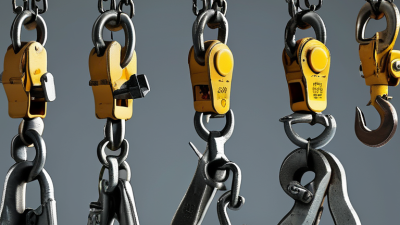
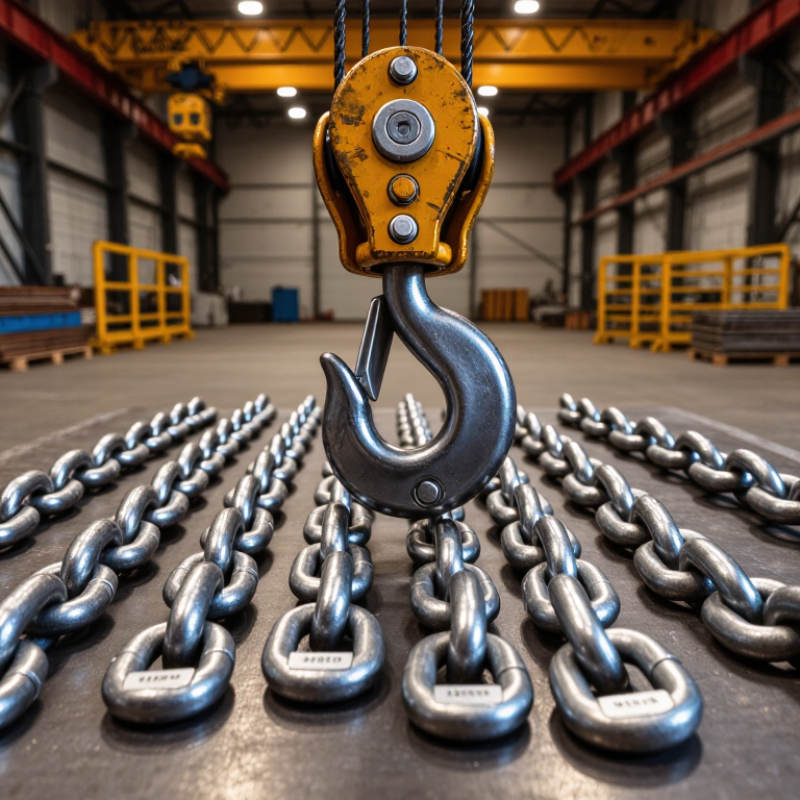
The hook should match both the load and the point where the chain connects. A clevis hook suits direct chain attachment, while a sling hook may fit a lifting eye or other compatible connection. Self-locking hooks can help prevent accidental release when the connection may move during handling. A safety latch is not designed to carry the load. Fit matters.
Check the hook’s rated capacity, throat opening, and bowl size against the load and attachment. The hook must seat naturally; forcing a narrow eye into the throat can create poor contact. Do not guess. For shortening, use a compatible grab hook, and confirm that the chain sits fully in its seat. Configuration matters too: single-leg, two-leg, and multi-leg assemblies distribute force differently. As the sling angle narrows, tension in each leg can rise. It is easy to overlook this when a load looks balanced. Avoid side loading or lifting from the hook tip, and use a complete assembly rated for the intended arrangement. If markings are unreadable or the connection feels awkward, pause and check the supplier’s specifications or ask a qualified lifting professional. That small delay is worthwhile.
For a symmetric two-leg sling with equal load sharing, the theoretical capacity factor relative to one leg’s working load limit is 2 × cos(angle from vertical). As the legs spread farther from vertical, capacity decreases. Choose hooks compatible with the chain and load attachment, and always follow the sling manufacturer’s rated capacity and applicable lifting guidance.
A lifting chain is only suitable when its hooks, connectors, and rated capacity match the lifting equipment. Check the hook throat against the attachment point; a hook that barely seats can twist under load. Confirm that pins fit freely and safety latches close fully. Small mismatch, big risk. The U.S. Bureau of Labor Statistics recorded 5,283 fatal work injuries in 2023 across all occupations; this broad figure is not specific to chain lifting, but it reinforces why load-handling checks matter (BLS, Census of Fatal Occupational Injuries, 2023).
Check the working load limit against the load, hitch type, and sling angle—not just the chain’s size. ASME B30.9 guidance treats sling configuration and angle as capacity factors, so a multi-leg assembly may not support its full rated load at a shallow angle. Verify every component’s marked rating and ensure the weakest part governs the lift. This check is easy to rush. I would pause at the rigging point and compare the tag with the lift plan.
Conditions matter, too. Heat, corrosive chemicals, sharp edges, and abrasive contact can damage chain or reduce its safe capacity. Follow the chain manufacturer’s temperature limits and inspection criteria, and remove damaged or illegible components from service. A dusty hook can hide a crack. Compatibility is not always obvious; if the attachment, environment, or rating remains uncertain, stop and have a qualified person assess the setup.
| Compatibility Check | What to Verify | Suitable When | Do Not Use or Reassess When |
|---|---|---|---|
| Working load limit (WLL) | Check the marked WLL of the complete chain sling and the ratings of the hoist, lifting points, connectors, and hooks. | Every component is rated for the intended load and the sling configuration. | The load, sling angle, or configuration exceeds a component’s rating, or any required rating is unknown. The assembly is limited by its weakest component. |
| Chain grade and system | Confirm that the chain, hooks, and connecting components are approved for use together and are suitable for the lifting application. | Components are compatible, correctly identified, and used within their rated limits. | Components have unknown specifications, are mixed without approval, or show signs of unauthorized repair or modification. |
| Hook-to-equipment connection | Check that the hook or master link fits the hoist, shackle, lifting point, or other attachment without forcing or unintended contact. | The connection is properly seated and aligned, with no binding or side loading. | The connector is too large or small, bears on the hook tip, or is loaded across an unintended surface. |
| Hook style and load seating | Match the hook type to the lift, such as a grab hook for a compatible chain engagement or a lifting hook for a suitable attachment point. | The load is supported in the hook bowl as intended, and any safety latch closes freely. | The load is placed on the hook tip, the latch is used to support the load, or the hook cannot seat securely. |
| Sling configuration and angle | Determine the number of loaded sling legs and the angle used for the rated capacity; confirm how the sling manufacturer defines that angle. | The configuration and angle are covered by the sling’s rating or an approved load plan. | The angle or leg loading is uncertain. As sling legs become more horizontal, tension in each leg increases; do not assume the vertical-lift rating still applies. |
| Load attachment and balance | Check the load’s lifting points, center of gravity, and the chain path for sharp edges, pinch points, or possible movement. | The load is stable, the lifting points are suitable, and the chain is protected where necessary. | The load can slip, rotate unexpectedly, damage the chain, or impose an unapproved side pull on a hook or lifting point. |
| Temperature and environment | Review the chain sling manufacturer’s temperature limits and guidance for chemicals, moisture, and other site conditions. | Materials and ratings are suitable for the conditions and any required capacity adjustments are applied. | Exposure may weaken or damage the chain, hook, or fittings, or the applicable limits and adjustments are unknown. |
| Inspection and identification | Check identification markings and inspect links, hooks, latches, and fittings before use, following applicable procedures. | Markings are legible and no damage or defect requiring removal from service is found. | There are cracks, excessive wear, deformation, heat damage, corrosion, a damaged latch, or missing identification needed to verify safe use. |
Safety note: Use the sling manufacturer’s instructions, applicable regulations, and the site lift plan. If compatibility, capacity, or condition cannot be verified, do not lift until a qualified person has assessed the setup.
Before each lift, read the chain assembly’s identification tag and confirm its working load limit (WLL). The rating must cover the full assembly, including hooks and connecting fittings, not just the chain. Check the load weight and sling arrangement against the manufacturer’s instructions. A wider sling angle can raise leg tension and reduce usable capacity. Never estimate by eye.
Inspect every link before use. Look for cracks, deep nicks, bending, corrosion, heat discoloration, or links that no longer move freely. At the hooks, check for twisting, an opened throat, deformation, and a damaged or missing safety latch. A latch helps retain a slack hook; it does not carry the load. That distinction is easy to miss.
Keep the tag readable. A quick visual pass may feel sufficient, but dirt around a link can hide wear. Wipe the chain clean and inspect high-contact areas closely. If you find damage, unclear markings, or unusual elongation, stop using the assembly and have it assessed by a qualified person. Do not straighten, weld, or improvise repairs in the field. Record recurring defects; patterns can reveal poor storage or handling.