How to Choose the Right Wire Rope for Your Needs?
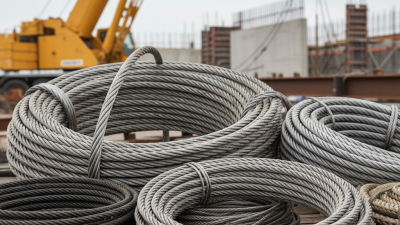
Choosing the right wire rope can be challenging. Various types are available, each suited for different tasks. Understanding the right specifications is crucial for safety and efficiency.
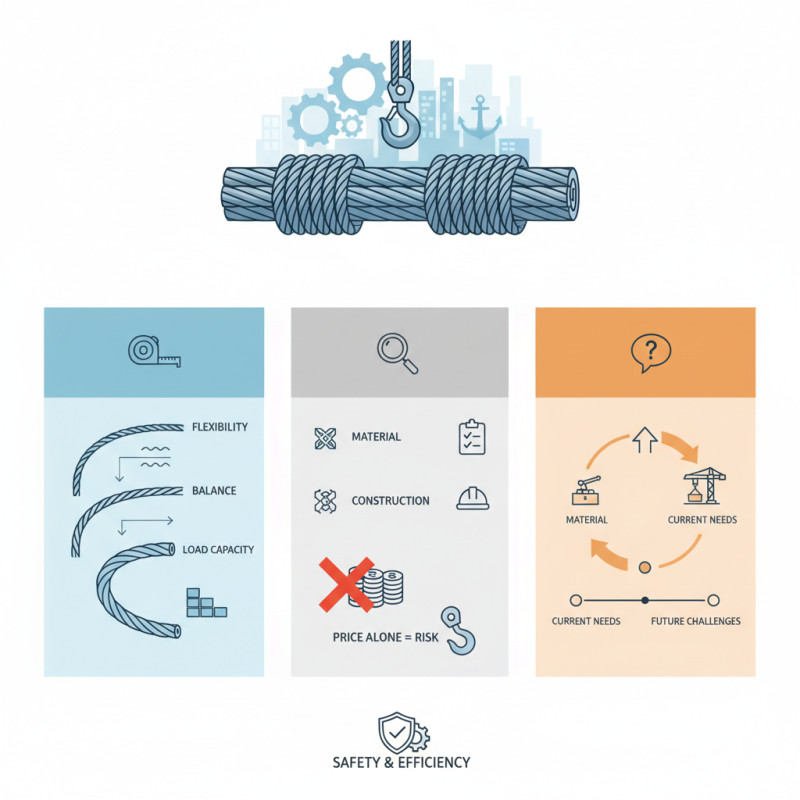
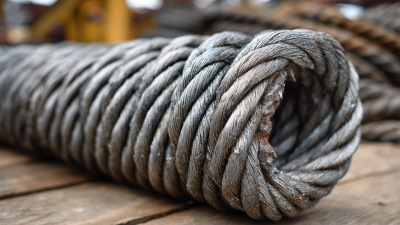
Wire rope is commonly used in construction, marine, and industrial applications. It consists of multiple strands twisted together. Each type has its unique strengths and weaknesses. For example, a thicker wire rope may provide higher load capacity, but it can be less flexible.
Many users make the mistake of choosing based on price alone. This can lead to inadequate performance or even failure. Researching the material, construction, and intended use is essential. Remember, selecting the right wire rope means considering not just your current needs but also potential future challenges.
Factors to Consider When Selecting Wire Rope for Industrial Applications
Choosing the right wire rope for industrial applications can be challenging. Various factors must be considered to ensure optimal performance and safety. One critical aspect is the load capacity. A wire rope's strength is often measured in tons. Poor choices can lead to equipment failure. According to industry reports, approximately 20% of lifting incidents are due to using insufficiently rated wire rope.
Another important factor is the environment where the wire rope will be used. Exposure to harsh elements can cause deterioration. For instance, a rope used in a marine setting must resist corrosion and saltwater damage. In fact, studies indicate that ropes subjected to such conditions can lose up to 40% of their strength in a year. It's essential to think about the specific application.
Finally, consider the wire rope's construction. Different lay types and materials can significantly affect performance. For example, a 6x19 wire rope offers good flexibility. However, a 6x37 construction provides higher fatigue resistance. The choice between flexibility and strength is not always clear-cut. A miscalculated decision can lead to costly downtime or even accidents.
Understanding Different Types of Wire Rope Materials: Steel vs. Synthetic
Choosing the right wire rope is crucial for various applications. Different materials serve different needs. Steel and synthetic ropes are the main options. Each has unique strengths and weaknesses.
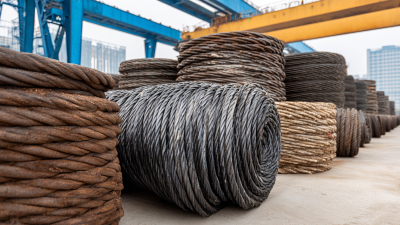
Steel wire rope is known for its high tensile strength. According to industry studies, it can handle loads exceeding 100 tons. It is ideal for construction, mining, and heavy lifting. However, its rigidity can be a disadvantage. Steel can be difficult to handle in tight spots. Plus, it is prone to rust and corrosion over time when exposed to moisture.
On the other hand, synthetic wire ropes offer flexibility and lightweight benefits. They are often made from high-performance fibers. In terms of durability, some synthetic ropes match steel in specific conditions. Synthetic materials are less likely to corrode. Research indicates that they can last longer in certain environments. Yet, they may not withstand heavy loads as well as steel does.
Users often struggle to decide between the two. It's vital to assess your specific needs and conditions before making a choice.
Load Capacity and Breaking Strength: Determining Your Wire Rope Needs
Selecting the appropriate wire rope is critical for safety and efficiency. One of the key factors is load capacity. Each wire rope has a specific load rating, often expressed in tons. The load rating refers to the maximum weight the rope can safely support. For instance, a wire rope with a 10-ton capacity can handle heavy lifting operations without risking failure.
Breaking strength is another crucial measurement. This is the force at which the wire rope will fail. A conventional safety factor is often around 5:1. This means that a wire rope rated for 10 tons should have a breaking strength of at least 50 tons. Not considering these factors can lead to serious mishaps on the job.
Industry reports indicate that improper wire rope selection accounts for a significant portion of accidents in construction. Many users overlook the importance of both load capacity and breaking strength. It’s not just about what can hold. It’s about what can fail. Regular reviews and testing of ropes can help identify weaknesses. Investing time in these details is vital for maintaining safety standards.
Wire Rope Load Capacity vs. Breaking Strength
This chart illustrates the load capacity and breaking strength of different sizes of wire rope. As the diameter of the wire rope increases, both its load capacity and breaking strength significantly improve, which is crucial for selecting the appropriate wire rope for your specific needs.
Environmental Conditions: Choosing Wire Rope for Extreme Weather or Corrosion
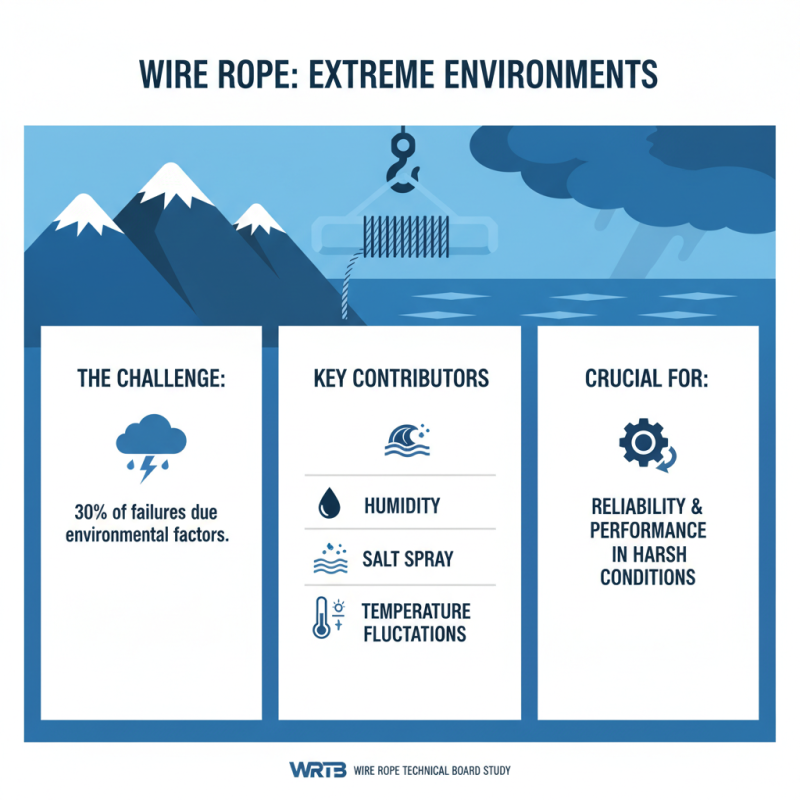
Choosing the right wire rope for extreme environments is crucial. Weather conditions and corruption can affect performance. According to a study by the Wire Rope Technical Board, around 30% of wire rope failures are due to environmental factors. They specifically mention humidity, salt spray, and temperature fluctuations as key contributors.
In challenging climates, stainless steel wire rope may be a good choice. It offers resistance to corrosion and can withstand harsh conditions. However, even stainless steel can succumb to wear if not properly maintained. Regular inspections are essential; neglect can lead to unexpected failures.
**Tip:** Always check the wire rope's specifications for environmental compatibility. Look for products rated for your specific conditions. When selecting, also consider the rope's diameter and construction. Thicker ropes may endure better against abrasive elements. Don’t forget that even the best materials degrade over time. You may need to replace your wire sooner than anticipated.
Safety Standards and Regulations: Ensuring Compliance in Wire Rope Use
When selecting wire rope, compliance with safety standards is crucial. Organizations often have specific regulations regarding the materials used. These regulations ensure that the wire rope can withstand various loads and conditions.
Understanding the different classifications of wire rope is essential. Some ropes are designed for lifting, while others are specialized for towing or pulling. The weight capacity should match your requirements. Regular inspections help in identifying wear and tear early, preventing accidents.
In some cases, users overlook the importance of proper installation techniques. Misaligned or improperly secured wire rope can lead to failures. It’s also vital to consider the environment in which the rope will be used. Factors like temperature, moisture, and exposure to chemicals can affect the rope’s integrity. Taking these details into account promotes a culture of safety and responsibility.
How to Choose the Right Wire Rope for Your Needs? - Safety Standards and Regulations: Ensuring Compliance in Wire Rope Use
| Wire Rope Type |
Diameter (mm) |
Breaking Strength (kN) |
Application |
Safety Standards |
| Galvanized Steel |
12 |
120 |
Construction Lifting |
ISO 4309 |
| Stainless Steel |
10 |
100 |
Marine Applications |
ASTM A313 |
| Plastic Coated |
8 |
80 |
Light Duty Applications |
OSHA |
| Fiber Core |
16 |
150 |
Heavy Lift |
EN 12385 |
| Rotating Strand |
14 |
140 |
Crane Operations |
ASME B30.9 |