Essential Guide to Rigging Straps: Safety Tips and Best Practices for Heavy Lifting
Rigging straps are a crucial component in the heavy lifting industry, ensuring safety and efficiency during the transportation of heavy loads. According to the Occupational Safety and Health Administration (OSHA), improper rigging accounted for a significant percentage of workplace accidents, emphasizing the necessity for robust rigging practices. A recent report by the National Institute for Occupational Safety and Health (NIOSH) highlighted that proper use of rigging equipment, including straps, can reduce the risk of injuries by up to 50%. As industries continue to evolve, adhering to best practices and safety tips when using rigging straps is essential for protecting employees and maximizing operational effectiveness. Understanding the intricacies of rigging straps not only enhances safety but also elevates overall productivity, making it an indispensable area of knowledge for professionals in heavy lifting operations.

Understanding Different Types of Rigging Straps for Heavy Lifting
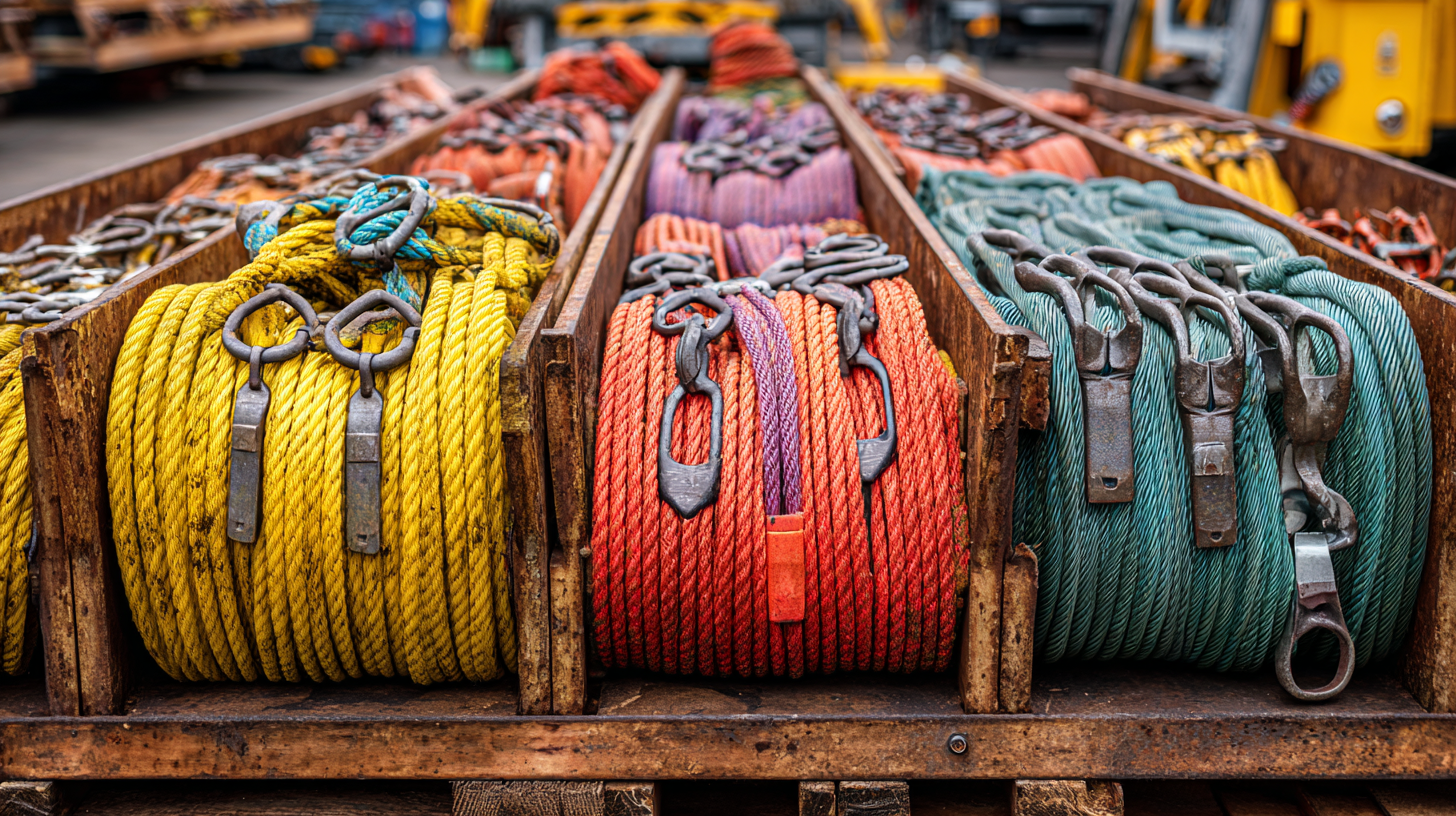
When it comes to heavy lifting, understanding the different types of rigging straps is crucial for safety and efficiency. Rigging straps come in various materials and configurations, each designed to handle specific loads and environments. For instance, nylon straps are versatile and lightweight, making them suitable for general lifting tasks, while polyester straps offer higher strength and are resistant to UV damage, making them ideal for outdoor use. Choosing the right type of strap can make all the difference in ensuring a secure lift.
Tips: Always check the weight rating of the rigging strap and ensure it exceeds the load you plan to lift. Inspect straps for any signs of wear or damage before use, as even minor flaws can compromise safety. Additionally, using a combination of straps for larger loads can help distribute weight evenly, reducing the risk of slippage or breaking during the lift.
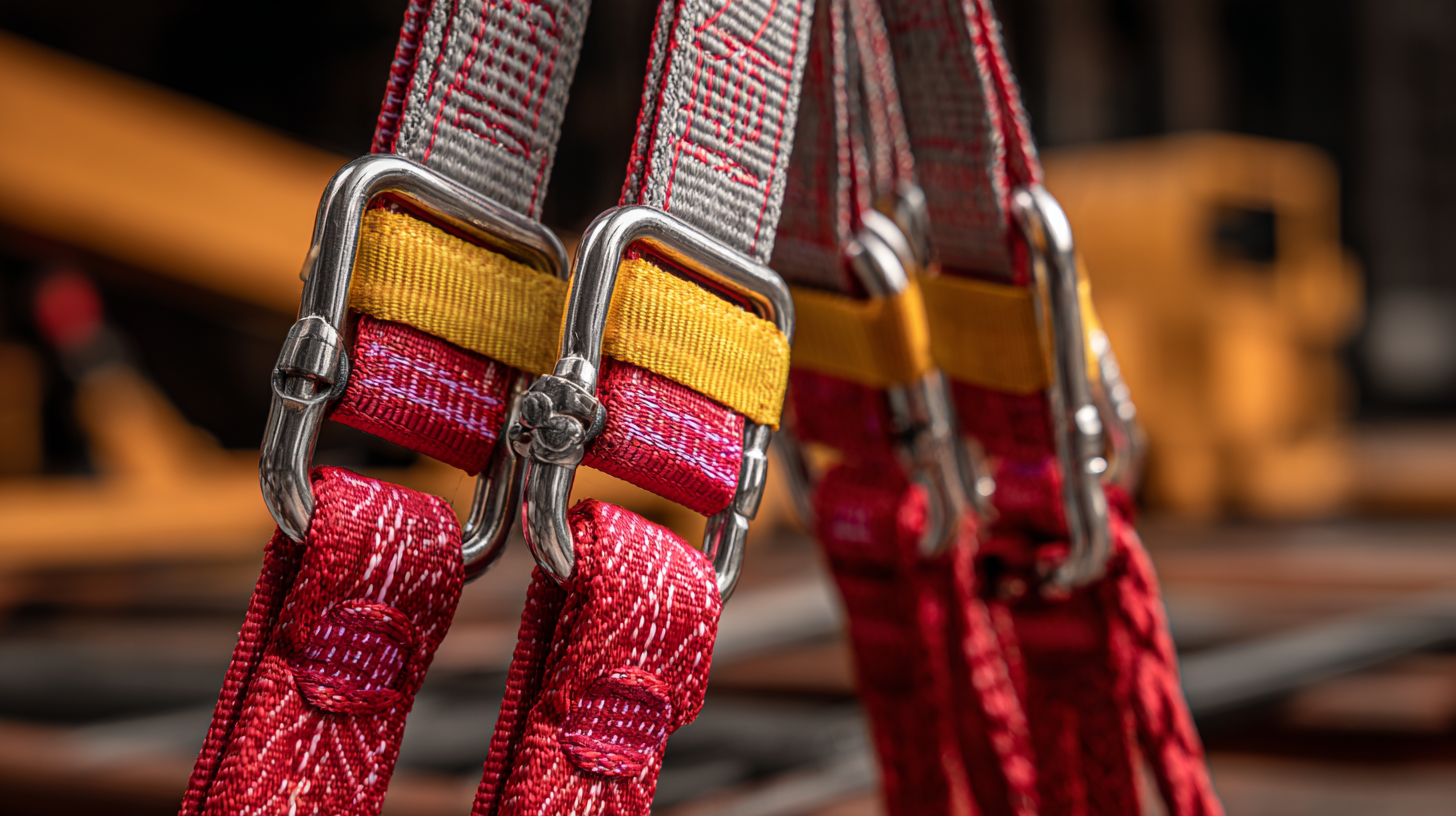
It's also important to understand the different connecting hardware used with rigging straps, such as hooks, shackles, and carabiners. Each type of hardware has its own load capacity and application, so selecting the correct hardware tailored to your strap type will enhance lifting safety. Proper training in rigging techniques and equipment usage is essential to maximizing effectiveness and minimizing risks during heavy lifting operations.
Key Safety Tips for Using Rigging Straps Effectively
When it comes to using rigging straps for heavy lifting, adhering to key safety tips is paramount. According to a report by the National Institute for Occupational Safety and Health (NIOSH), improper use of rigging equipment can lead to serious accidents, making a solid understanding of safety practices essential.
One major guideline is to always inspect straps before use, ensuring they are free from cuts, frays, or any signs of wear. This simple step can significantly mitigate the risk of failure during heavy lifting operations.
Additionally, proper load capacity is crucial. It is essential to choose rigging straps that are correctly rated for the weight you plan to lift. Overloading a strap beyond its specified limit can lead to catastrophic results, with statistics showing that overloading is a factor in numerous workplace injuries. According to the Occupational Safety and Health Administration (OSHA), using straps that are too weak for the job can increase the likelihood of accidents by over 50%.
By understanding and applying these safety tips, workers can effectively utilize rigging straps while minimizing the risks associated with heavy lifting.
Best Practices for Inspecting Rigging Straps Before Use
When it comes to heavy lifting, ensuring the safety and effectiveness of rigging straps is paramount. Before using any rigging strap, a thorough inspection is essential. Start by checking for any visible signs of wear and tear, such as fraying, cuts, or abrasions. Any defects can weaken the strap and lead to failure during lifting operations.
Tips: Look for discoloration or changes in texture, which may indicate internal damage not visible on the surface. Always verify the load capacity marked on the strap to ensure it matches or exceeds the weight you intend to lift.
Additionally, pay attention to the hardware connected to the straps. Inspect hooks, rings, and other attachments for signs of corrosion or bending. These components are critical for ensuring safe operation.
Tips: Make sure that all fittings are properly secured and not overly stressed. Just as you would for the straps, review the manufacturer's guidelines for proper use and maintenance to optimize the safety and lifespan of your rigging equipment. Prioritizing these inspections can significantly reduce risks associated with heavy lifting.
Proper Techniques for Securing and Lifting Loads with Straps
When lifting heavy loads, using rigging straps correctly is essential for ensuring safety and efficiency. The first step in proper technique is to inspect the straps before each use. Look for any signs of wear, such as fraying or cuts, which could compromise their strength. Choose the right type and size of strap based on the weight and nature of the load. Always refer to the manufacturer's guidelines for weight limits and specifications.
Securing the load properly is crucial when using rigging straps. Ensure that the straps are positioned correctly to distribute the weight evenly and reduce the risk of slippage. Employ methods like the "basket hitch" or "choker hitch" to secure the load securely. Additionally, make sure that the attachment points are strong and stable, as they play a vital role in the safety of the lift. Before lifting, always perform a test lift to ensure that everything is secure and balanced, and maintain clear communication with your team throughout the process to enhance coordination and safety.
Load Capacity of Different Strap Types
Regulations and Standards for Rigging Strap Safety Compliance
When engaging in heavy lifting, adherence to regulations and standards for rigging strap safety compliance is paramount. Organizations like the Occupational Safety and Health Administration (OSHA) and the American National Standards Institute (ANSI) set forth guidelines that must be followed to ensure safe operations. These regulations cover the design, performance, and usage of rigging equipment, ensuring that they can withstand the stresses of heavy lifting without risk of failure. Compliance with these standards not only protects workers but also mitigates legal and financial repercussions for the organization.
In addition to federal regulations, industry-specific standards may apply, further emphasizing the importance of familiarization with local regulations and practices. Employers should conduct regular training sessions for employees on the proper selection, inspection, and usage of rigging straps. Documents such as safety data sheets (SDS) and manufacturer guidelines should be readily accessible to ensure compliance. Implementing robust safety protocols that align with established regulations highlights a commitment to workplace safety and fosters a culture of responsibility among staff members.