Choosing a reliable steel rope supplier can shape safety, uptime, and project costs. Global buyers face many options, from large integrated mills to specialized manufacturers. Product pages alone rarely reveal the full picture. Factory experience matters.
This guide introduces China’s top 10 steel rope manufacturers for international buyers. It considers production capacity, wire quality, rope construction, coating options, inspection systems, and export experience. It also examines practical details, such as plastic spools, seaworthy packaging, mill certificates, and batch traceability. A buyer may need bright wire rope for elevators, galvanized rope for port equipment, or compacted rope for cranes. Each application demands different evidence. Cheap pricing is not enough.
Wire-rope specialist A. H. Chaplin wrote, “The life of a rope depends upon the conditions under which it works.” This principle still deserves attention. A strong catalogue cannot replace correct installation, lubrication, and inspection. Some supplier claims may sound impressive, yet their testing records remain unclear. That is a weakness worth questioning. This overview therefore favors verifiable capabilities over promotional language. It also recognizes that no ranking can fit every project. A mining contractor, bridge builder, and offshore buyer may value different strengths. Careful readers should confirm standards, tensile grades, delivery terms, and after-sales support before ordering. Small details matter. The best manufacturer is not always the biggest. It is the one that consistently matches its steel rope to the buyer’s real operating conditions.
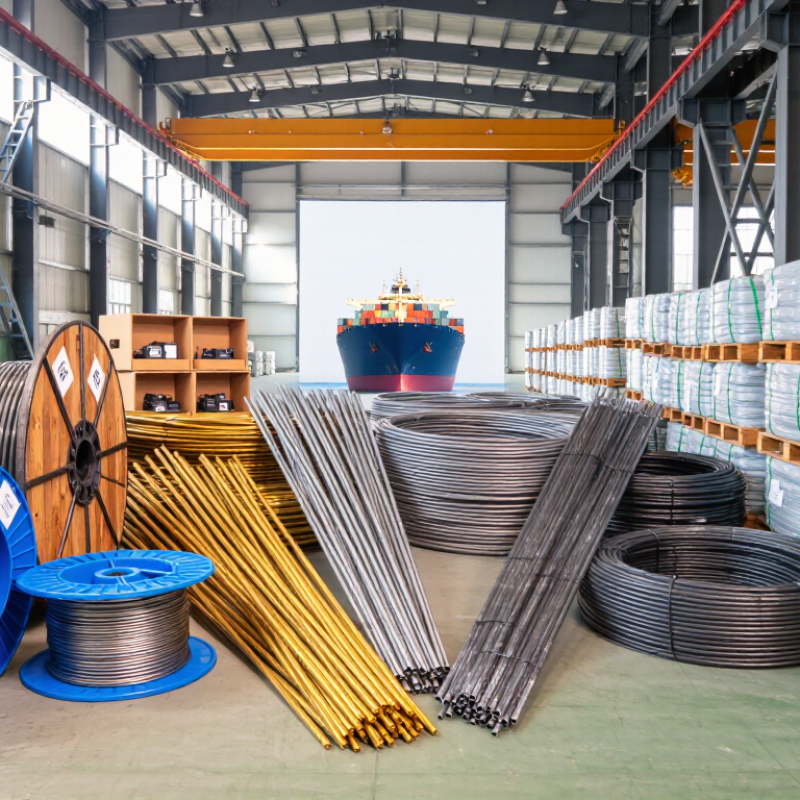
China Top 10 Steel Rope Manufacturers for Global Buyers
China’s steel rope industry serves lifting, mining, construction, and transport projects worldwide. Reliable buyers should compare standards, not only prices. ISO 2408 defines general requirements for steel wire ropes, including construction, diameter, strength, and testing. ASTM A1023/A1023M provides another widely recognized specification for stranded carbon steel wire ropes. GB/T 20118 covers general-purpose steel wire ropes under China’s national standard system.
A capable manufacturer should provide material certificates, rope construction details, measured diameter, breaking force, and batch traceability. Ask whether testing follows the requested standard edition. This detail matters. Factory inspections should review wire quality, lubrication, lay direction, surface condition, and packaging. A clean coil is useful, but it does not prove performance. Some suppliers present ISO certificates without linking them to the exact rope batch. That deserves careful questioning. Standards can overlap, but their acceptance criteria and documentation may differ.
Tips: Send the working load, rope diameter, construction, length, lay, coating, and operating environment before requesting quotations. Request sample test reports and confirm laboratory competence. Check whether the rope will face saltwater, repeated bending, abrasion, or heat. One overlooked detail can shorten service life. Buyers should also clarify inspection points, marking, certificates, and replacement terms in writing. A low quotation may hide unsuitable construction or incomplete testing. Specification discipline remains essential.
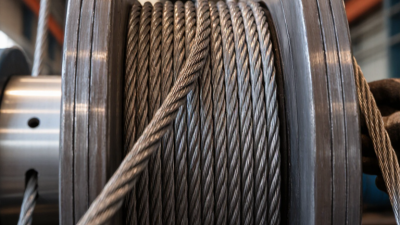
China’s top 10 steel rope manufacturers are ranked by capacity, export performance, certifications, and product quality. This approach gives global buyers a clearer comparison than factory size alone. Capacity matters, but unused capacity proves little. The ranking considers annual output, drawing lines, closing machines, testing equipment, and delivery consistency.
Manufacturers with larger capacity can support mining, port, elevator, construction, and offshore projects. Export records also reveal practical experience. We examined shipment coverage, overseas customer regions, packaging methods, and complaint handling. Certifications include ISO quality systems, environmental controls, occupational safety standards, and applicable product approvals. However, a certificate should support evidence, not replace it. Buyers should request recent audit records and batch documents.
Quality depends on steel grade, wire diameter tolerance, strand geometry, lubrication, and breaking load. Strong producers test ropes through tensile machines, fatigue cycles, and visual inspections. Some factories provide traceable heat numbers from steel purchase to final coil. That detail matters during installation. It can also reduce confusion after delivery. The ranking gives extra weight to stable results across repeated orders. A single excellent sample is not enough.
There are limits to this method. Public capacity figures may be rounded, while export data can change yearly. Smaller manufacturers may also perform better than their visibility suggests. My own review would benefit from more independent site inspections and longer field records. Buyers should compare factory evidence with their operating conditions, safety margins, and maintenance plans. Cost alone is a weak buying signal.
For global buyers comparing China’s top ten steel rope manufacturers, construction details matter more than catalogue rankings. The 6×19 rope uses fewer, thicker wires, giving it strong abrasion resistance around sheaves and drums. It suits lifting lines exposed to rubbing, but it feels less flexible during repeated bending. The 6×36 design has more, finer wires and bends more smoothly. That advantage is practical. It often performs better where sheaves are smaller or cycling is frequent. However, finer wires may demand stricter inspection and better lubrication.
Compacted ropes compress outer strands after closing, creating a smoother surface and higher metallic area. They can deliver greater breaking force within the same nominal diameter. They may also reduce strand movement and contact pressure in some installations. Yet compacted construction is not automatically safer. Socketing, drum grooves, end termination, and bending ratio still control service life. A 1,770 MPa grade is common for balanced strength and handling. A 1,960 or 2,160 MPa grade offers higher breaking load, but requires compatible fittings and verified manufacturing control.
From procurement experience, buyers should compare breaking force, not tensile grade alone. Diameter tolerance, core type, lay direction, lubricant, and inspection records can change field results. Ask for test certificates identifying heat numbers and actual measured values. A neat table can still mislead. I have seen a theoretically stronger rope underperform after poor drum alignment and dry sheaves. The selection should match rope construction, load spectrum, bending frequency, and maintenance discipline.
China Top 10 Steel Rope Manufacturers for Global Buyers
For global buyers comparing ten steel-rope factories, laboratory evidence matters more than catalogue claims. Request breaking-force tests for every construction and diameter. ISO 2408:2017 provides requirements for wire ropes used in lifting and general applications. A reliable factory should show test dates, machine calibration, sample numbers, and measured results. The 2024 World Steel in Figures report recorded about 1.89 billion tonnes of global crude-steel production. That scale makes steel origin and process control impossible to ignore. Ask for heat numbers linked to wire rods, closing strands, and finished reels.
Traceability should follow the rope, not just the shipment. Check zinc coating mass, rope diameter, lay direction, lubrication type, and safety factor calculations. ISO 4309:2017 highlights broken wires, abrasion, corrosion, and diameter reduction during discard assessment. Factories should explain how inspectors record these defects. In practice, I have found neat paperwork can hide inconsistent sampling. Factory acceptance testing is useful, but it cannot replace inspection after installation, bending, shock loading, or salt exposure. That limitation deserves honest discussion.
Tips: Request a third-party witness for sampling and tensile testing. Photograph reel labels before loading. Compare certificates with actual heat numbers. Confirm whether the quoted safety factor matches your lifting design, not merely a standard table. Coating thickness also needs independent verification, especially near end fittings. A small inconsistency may signal a larger control problem.
Anonymized technical comparison matrix for procurement pre-screening
| Factory ID | Typical Product Scope | Routine Testing Capability | Traceability System | Common Coating Options | Declared Design Safety Factors | Relevant Standards Referenced | Quality-System Evidence | Buyer Risk View |
|---|---|---|---|---|---|---|---|---|
| Factory 01 | General-purpose carbon-steel wire rope; 6×19 and 6×37 constructions; bright and galvanized finishes | Breaking-force tests, diameter checks, lay-length inspection, visual examination, and lubricant verification | Heat number, wire batch, rope lot, stranding line, and final inspection record linked to shipment documents | Bright, electro-galvanized, hot-dip galvanized; standard fiber or steel core options | 3:1 for selected lifting applications; final factor must be confirmed against the equipment standard | ISO 2408; EN 12385 series; ASTM A1023/A1023M where specified | Strong ISO 9001 certificate and batch inspection files expected |
Lower |
| Factory 02 | High-strength rotation-resistant and rotation-resistant ropes for cranes, hoists, and offshore handling | Minimum breaking force, torsion/rotation behavior, construction measurement, fatigue sampling, and surface-condition checks | Digital lot records with wire-rod heat, die history, rope construction, operator, and test-report references | Compacted bright rope, galvanized rope, zinc-coated wire, and plastic-impregnated variants | 5:1 commonly specified for lifting systems; application-specific requirements prevail | ISO 2408; EN 12385-10; ASME B30.30 or customer specification | Excellent Calibration records and third-party inspection commonly available |
Low |
| Factory 03 | Galvanized ropes for marine, port, fishing, and outdoor equipment; regular-lay and lang-lay constructions | Coating-mass testing, tensile testing, dimensional checks, lay inspection, and corrosion-resistance sampling | Coil and reel identification tied to galvanized-wire batch and coating inspection results | Hot-dip galvanized, heavily galvanized, polymer-coated, and corrosion-inhibiting lubricated rope | 5:1 for many lifting uses; higher factors may be required for personnel or specialized service | ISO 2408; EN 12385; ASTM A1023/A1023M; applicable marine rules | Strong Coating certificates should accompany every export lot |
Lower |
| Factory 04 | Compacted strand ropes for tower cranes, mobile cranes, and heavy lifting equipment | Breaking-force tests, diameter under load, metallographic checks, compactness inspection, and dimensional verification | Full production traveler covering wire source, stranding pass, compaction pass, lubricant, and final test result | Compacted bright, galvanized, and plastic-coated constructions with steel or fiber cores | 5:1 or equipment-manufacturer specification; do not infer suitability from rope strength alone | EN 12385-3; ISO 2408; ISO 4309 for in-service examination guidance | Excellent Process-control records and calibrated test equipment expected |
Low |
| Factory 05 | Stainless-steel wire rope for architectural, food-processing, marine, and corrosive environments | Tensile testing, diameter and construction checks, surface inspection, alloy verification, and passivation review where applicable | Stainless grade, mill certificate, coil number, rope lot, and inspection record maintained by shipment | AISI 304 and 316 commonly offered; bare, PVC-coated, and nylon-coated options | 3:1 to 5:1 depending on application; architectural and fall-protection designs require project-specific review | ISO 2408; ASTM A492; ASTM A1023/A1023M where applicable | Strong Material certificates should state grade and heat number |
Medium |
| Factory 06 | Elevator and traction ropes, including compacted and rotation-resistant constructions | Tensile testing, diameter tolerance, lay-length checks, fatigue sampling, magnetic-wire-rope inspection support, and visual review | Rope lot linked to wire material, construction parameters, lubricant, inspection date, and reel label | Bright and galvanized traction ropes; specialized lubricants selected for elevator service | Defined by elevator code, rope construction, sheave geometry, and rated load rather than a single universal ratio | ISO 4344; EN 12385-5; applicable elevator code and OEM specification | Strong Type-test and fatigue evidence should be requested for critical projects |
Medium |
| Factory 07 | Mining, drilling, and winch ropes for high-load and abrasive service | Breaking-force tests, elongation checks, wire-diameter measurement, lubricant inspection, fatigue sampling, and defect analysis | Heat, coil, strand, and rope-lot traceability with nonconformance and corrective-action records | Heavy galvanized, bright, plastic-impregnated, and application-specific corrosion-protection systems | 5:1 or higher where required by mine, hoist, or lifting regulations; engineering approval is essential | ISO 2408; EN 12385; applicable mining, hoisting, or national safety regulations | Strong Site-specific qualification and periodic revalidation recommended |
Medium |
| Factory 08 | Small-diameter stainless and galvanized ropes for architectural, rigging, shade, and general hardware use | Diameter, tensile strength, construction, coating or surface inspection, and sample-based breaking-force testing | Batch-level records typically available; individual-wire traceability may depend on order quantity | 304/316 stainless, PVC-coated stainless, galvanized, and compacted bright finishes | 3:1 commonly used for non-personnel applications; project engineer must confirm final design factor | ISO 2408; ASTM A492; ASTM A1023/A1023M; project specifications | Standard Request original mill certificates and independent sampling for critical use |
Medium |
| Factory 09 | Plastic-coated wire ropes for fitness equipment, marine controls, agricultural machinery, and general mechanical use | Core-rope breaking force, finished diameter, coating thickness, adhesion, flexibility, and visual inspection | Core lot, coating compound batch, extrusion line, color, finished reel, and packing record | PVC, nylon, PE, and polyurethane coatings; coating color and thickness made to order | Application-dependent; coating may protect the rope but does not automatically increase its rated capacity | ISO 2408; ASTM A1023/A1023M; customer coating and dimensional specification | Standard Verify coating adhesion, temperature range, and chemical compatibility |
Medium |
| Factory 10 | Custom-engineered ropes, assemblies, slings, sockets, thimbles, and end fittings for export projects | Rope breaking force, termination efficiency, proof-load testing, dimensional checks, visual inspection, and assembly verification | Assembly-level traceability covering rope lot, fitting material, termination method, technician, proof load, and release approval | Bright, galvanized, stainless, compacted, plastic-coated, and corrosion-protected assemblies | Specified by assembly design, lifting plan, applicable regulation, and required working-load limit | ISO 2408; EN 13414; EN 12385; ASME B30.9/B30.30 where applicable | Excellent Independent inspection and signed conformity dossier recommended |
Lower |
Global buyers should treat the shortlist as a technical audit, not a popularity contest. The World Steel Association reported 1,888.2 million tonnes of crude steel production in 2023. That scale hides differences in wire chemistry, tensile strength, coating, and traceability. Ask each manufacturer for test certificates, inspection records, and samples from the same production lot. ISO 2408:2017 remains a useful reference for steel wire rope requirements, but buyers should confirm the latest applicable edition.
MOQ can change the real landed cost. A low MOQ may suit trial orders, while mining, port, and crane projects need stable batch continuity. Request a written lead time covering drawing approval, production, testing, packing, and vessel booking. Seven days can disappear quickly. Incoterms must match your control level: FCA may offer better freight visibility, while CIF can simplify procurement but hide local charges. UNCTAD’s Review of Maritime Transport 2024 notes that ships carry over 80% of global merchandise trade, making route disruption and port congestion practical risks.
Application details should be precise: diameter, construction, lay direction, core type, breaking load, bending cycles, corrosion exposure, and operating temperature. After-sales support should include installation guidance, failure analysis, replacement policy, and response times. I would also ask for inspection photos before dispatch. One weakness in many purchasing plans is trusting catalog values without field feedback. That deserves a second review.
Indicative planning benchmarks for international buyers. Actual MOQ, lead time, Incoterms, testing requirements, and after-sales terms should be confirmed in the supplier quotation and contract.