The Ultimate Guide to the Best Rigging Equipment for Your Needs?
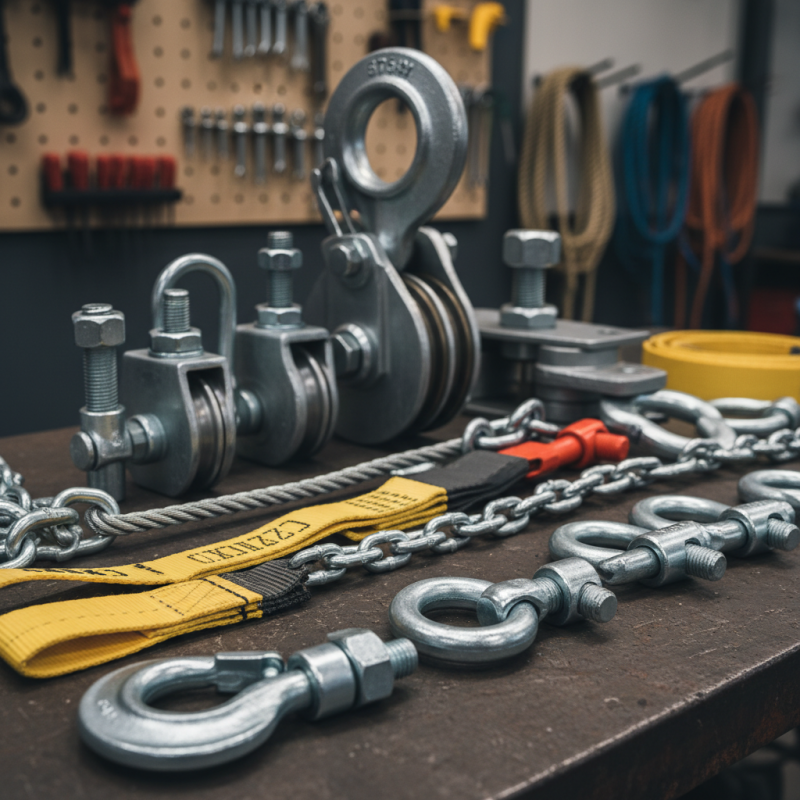
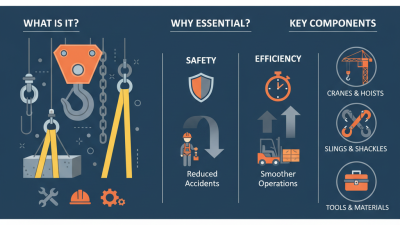
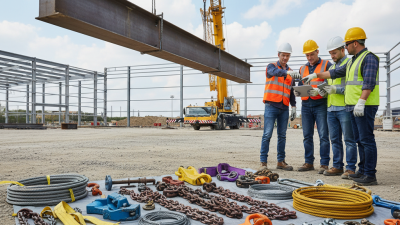
When it comes to rigging equipment, understanding your options is essential for safety and efficiency. The right tools make a significant difference in performance and reliability. This guide aims to provide insights into various types of rigging equipment you may need. From slings and shackles to pulleys and blocks, each has its unique use and function.
Choosing the best rigging equipment can be overwhelming. There are many factors to consider, including material strength and load limits. Many users often overlook the importance of inspections and maintenance. Proper care can extend the life of the equipment, but negligence can lead to accidents.
In the world of rigging, expertise matters. Relying on quality brands adds a layer of confidence. However, it’s crucial to remember that not all equipment fits all jobs. Every project demands a tailored approach. This guide will help you navigate your choice of rigging equipment wisely.
Understanding Rigging Equipment: Types and Functions
Rigging equipment plays a crucial role in various industries, from construction to entertainment. Different types serve distinct functions. Lifting slings, for instance, are essential for safely hoisting heavy objects. According to a 2022 report by the Occupational Safety and Health Administration (OSHA), improper use of lifting devices contributes to 30% of workplace accidents. Understanding the specific characteristics of each rigging type can significantly enhance safety.
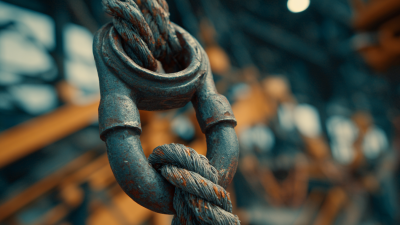
Another key component of rigging equipment is the shackle. Shackles are used to connect loads with lifting equipment. Their strength and material choice impact their reliability. The American Society of Mechanical Engineers (ASME) outlines the critical need for regular inspection of shackles. A neglected shackle can lead to failure under load, posing a significant risk to workers and surrounding equipment.
Despite advancements, challenges remain in rigging practices. The 2023 Global Rigging Market Report noted a rise in accidents due to inadequate training. Many workers lack proper certification, increasing the likelihood of misuse. Learning the nuances of rigging equipment isn’t merely an option; it’s vital for preventing incidents. Prioritizing safety and knowledge is essential in safeguarding lives and assets in this field.
Key Factors to Consider When Choosing Rigging Equipment
Choosing the right rigging equipment is crucial for safety and efficiency in any project. Assess your specific needs before making a decision. Consider the weight you need to lift. Each piece of equipment has a maximum load capacity. Verify that it matches your requirements.
The material of the rigging equipment matters significantly. Different tasks may require steel, synthetic, or other materials. Each type has unique advantages and disadvantages.
Steel is durable but heavy. Synthetic options are lighter but may have lower durability. Understanding how these qualities affect your work can lead to safer outcomes.
Think about the ease of use as well. Complex setups can cause delays and risks. Familiarity with the equipment is essential. Ensure that everyone involved has the right training. Inspect equipment regularly for wear and tear. It’s better to replace faulty gear than risk accidents. This approach enhances reliability and performance when it genuinely matters.
Top Brands and Their Best-Selling Rigging Equipment
When selecting rigging equipment, understanding the top brands and their offerings is crucial. The rigging industry has seen steady growth, with a market size reaching approximately $4.5 billion in 2022. This indicates an increasing demand for quality and reliable equipment. Leading manufacturers focus on innovation and durability, ensuring safety and efficiency.
Brands typically excel in specific product lines. Some may specialize in slings, while others focus on hoisting equipment. The average lifespan of rigging gear can vary significantly based on usage and maintenance, often requiring replacement every 3 to 5 years. Regular inspections and adherence to safety standards are vital. Reports indicate that over 50% of workplace accidents involve rigging failures. This highlights the need for carefully chosen equipment.
Personal experiences reflect mixed outcomes with different equipment types. Some users report excellent performance, while others face early wear and tear. It’s essential to consider user reviews and product certifications. While professional recommendations can guide choices, hands-on experience often reveals the true reliability of these products. An informed decision involves evaluating both industry data and real-world insights.
Safety Standards and Regulations for Rigging Equipment
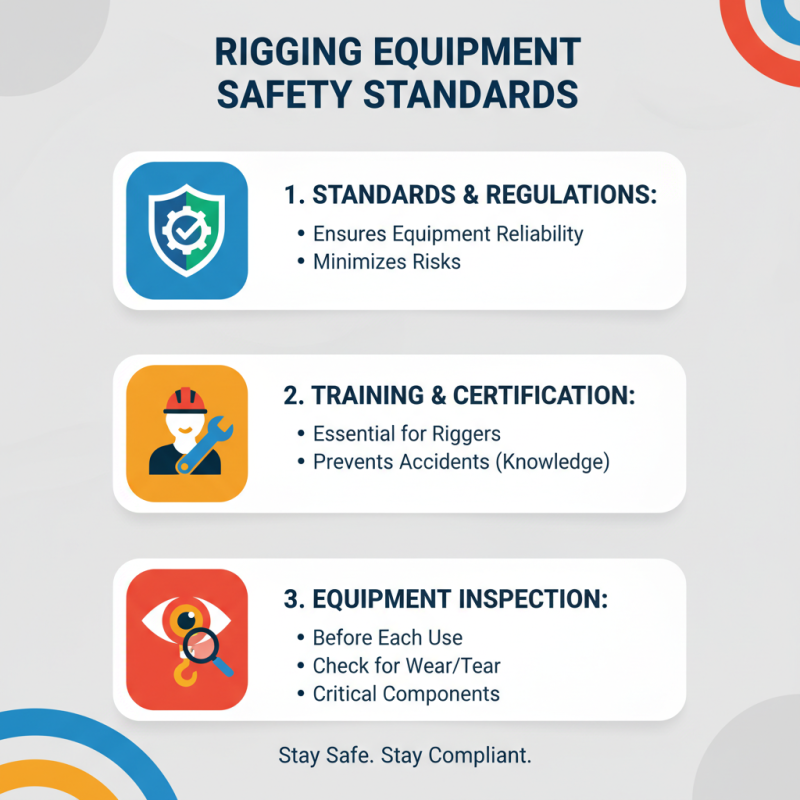
When it comes to rigging equipment, safety standards and regulations are crucial. They ensure that equipment is reliable and minimizes risks. Proper training and certification for riggers are essential. Inadequate knowledge can lead to accidents. Always inspect equipment before use. Look for wear and tear, especially on critical components.
Different industries may follow varied standards. Construction sites often have stringent regulations. Compliance with OSHA guidelines is a must. These regulations help in establishing safety protocols that can prevent injuries. It’s vital to stay updated on these guidelines. Changes are frequent, and overlooking them can lead to severe consequences.
While safety standards are clear, practical application can be challenging. Many workers may ignore basic safety checks. Rushing can compromise safety. Regular training sessions can help reinforce these practices. Additionally, developing a culture that prioritizes safety is key. Workers should feel empowered to speak up. An open dialogue can lead to better safety practices over time.
Maintenance Tips for Extending the Life of Rigging Gear
Maintaining rigging gear is essential for safety and efficiency. Data from a recent industry report indicates that improper maintenance can lead to a 30% increase in equipment failure rates. Regular inspections help identify wear and tear before it becomes critical. For example, checking for frays in ropes or cracks in hardware can prevent accidents.
Cleaning rigging equipment is often overlooked. Dust, dirt, and debris can degrade materials. According to experts, using mild soap and water is effective for cleaning most rigging gear. After cleaning, always ensure that the equipment is dried thoroughly. Moisture can lead to rust and other forms of corrosion.
Storage conditions significantly affect the lifespan of rigging gear. Experts recommend storing rigging equipment in a cool, dry place. Avoid exposure to direct sunlight and extreme temperatures. This practice can extend the life of your gear by up to 50%. Always consider the environment where your rigging gear is used. Each environment can present unique challenges that require tailored maintenance strategies.