The Ultimate Guide to Choosing the Best Rigging Slings for Your Needs
When it comes to lifting and transporting heavy loads safely and efficiently, the choice of rigging slings plays a crucial role. With a myriad of options available, from synthetic slings to wire rope slings, selecting the right type can seem overwhelming. Understanding the various types—such as nylon, polyester, and steel slings—along with their specific applications and load capacities, is essential for ensuring safety and reliability in lifting operations. This guide aims to simplify the decision-making process by providing detailed insights into the characteristics, advantages, and limitations of different rigging slings, enabling you to make an informed choice tailored to your unique needs. Whether you are a seasoned professional or new to the industry, our comprehensive analysis will help you navigate the complexities of rigging sling selection, ensuring that you have the right tools at your disposal for any lifting challenge you may face.

Understanding the Different Types of Rigging Slings: A Comprehensive Overview
When selecting rigging slings for your specific needs, it's crucial to understand the different types available on the market. Rigging slings vary in material, design, and functionality, each suited for distinct cargo types and handling requirements. For instance, synthetic slings are lightweight and flexible, making them ideal for lifting delicate or irregularly shaped items. In contrast, wire rope slings offer high strength and durability, suited for heavy loads in rugged environments. Knowing the characteristics of each type can significantly improve port efficiency and safety in handling various cargo.
Tips: When choosing a rigging sling, always consider the weight of your load and the conditions in which it will be used. Ensure that the sling you select has a safety factor that corresponds with your load requirements. Additionally, inspect the slings regularly for wear and tear, as maintaining equipment is essential for safety and reliability in operations.
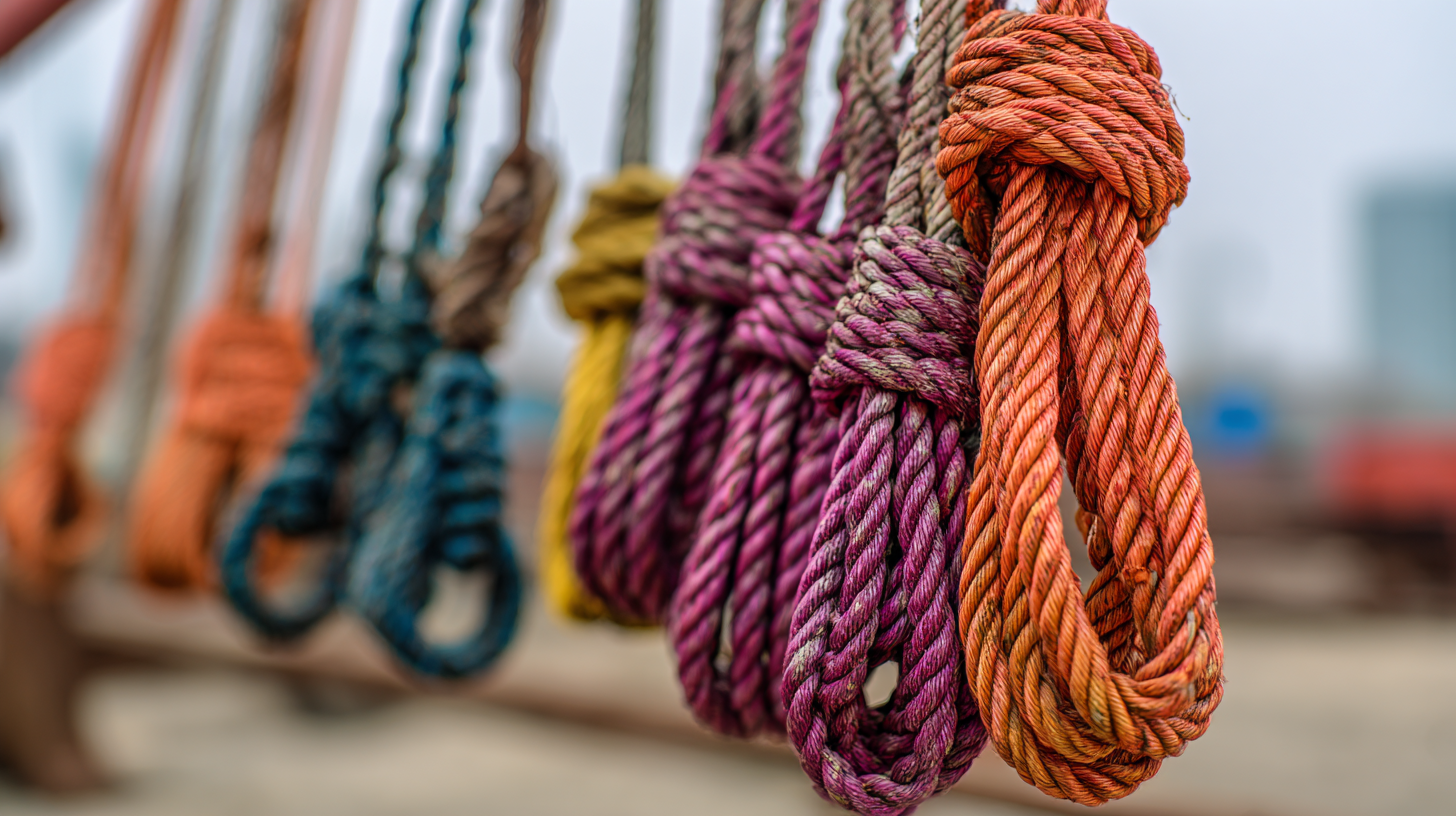
Another important aspect is the knot tying technique, especially when securing loads with slings. Using the correct knot can provide additional stability and safety during lifting. Familiarizing yourself with essential climbing knots, such as the Clove Hitch or Figure-Eight, can enhance your efficiency in securing loads effectively. Understanding these details will aid in optimizing the overall rigging process, ensuring both safety and operational success.
Key Factors to Consider When Choosing Rigging Slings for Your Projects
When selecting rigging slings for your projects, there are several key factors to consider to ensure safety and efficiency. First and foremost, the type of material used in the sling is crucial as it directly affects its strength and durability. Common materials include nylon, polyester, and wire rope, each offering unique benefits. For instance, nylon slings are known for their flexibility and shock absorption, making them ideal for loads that may shift during transport. Conversely, wire rope slings provide superior strength for heavy-duty applications where abrasion resistance is essential.

Another important aspect is the lifting capacity and working load limit (WLL) of the sling. It’s vital to match the sling’s capacity with the weight of the load being lifted to avoid accidents and equipment failure. Additionally, consider the environment in which the slings will be used—exposure to chemicals, extreme temperatures, or moisture can affect the performance and lifespan of the sling. Furthermore, take into account the configuration and length of the sling, as these factors will influence how the load is approached and secured. By carefully evaluating these elements, you can select the most suitable rigging slings for your specific project needs.
Industry Standards and Load Capacities for Rigging Slings Explained
When selecting rigging slings for heavy lifting, understanding industry standards and load capacities is crucial. Rigging slings are essential tools used in various industries, including those utilizing automated guided vehicles (AGVs), which have been advancing in capabilities and flexibility. These advancements necessitate a robust understanding of the slings that support them, ensuring safe and efficient operations.
ISO and ASME standards provide guidelines on the appropriate load capacities for different sling types, enabling users to choose the right sling for specific lifting tasks. Factors such as material, configuration, and environmental conditions play a significant role in determining a sling's load-bearing capabilities. It is essential to assess these variables to prevent accidents and ensure compliance with safety regulations. As the demand for heavy lifting solutions increases, particularly with the rise of high-performance AGVs, proper knowledge of rigging slings becomes more critical than ever.
Best Practices for Inspecting and Maintaining Your Rigging Slings
When it comes to rigging slings, proper inspection and maintenance are crucial for safety and effectiveness. Regular inspections should be conducted before and after each use, focusing on key areas such as wear and tear, fraying, cuts, and overall integrity. Look for any signs of damage that could compromise the sling's performance. It's advisable to follow the manufacturer's guidelines regarding inspection frequency and procedures to ensure compliance with safety standards.
Maintenance is equally important to prolong the lifespan of your rigging slings. Store them in a cool, dry place away from direct sunlight and extreme temperatures, as these conditions can degrade materials. Additionally, avoid storing slings in areas where they can be exposed to chemicals or sharp objects. Routinely cleaning your slings, as per the manufacturer's recommendations, helps prevent the accumulation of dirt and grime that can affect their performance. By adhering to these best practices, you can ensure that your rigging slings remain reliable and safe for use in various applications.
Tips for Selecting the Right Materials for Enhanced Sling Durability and Safety
When selecting rigging slings, the choice of materials is crucial for ensuring both durability and safety. Different materials offer varying levels of strength, flexibility, and resistance to environmental factors. For instance, synthetic slings made from polyester or nylon are popular due to their lightweight nature and high resistance to abrasion. These materials are particularly advantageous in applications where slings are frequently in contact with rough surfaces, as they help to minimize wear and tear.
In contrast, if your operations involve extreme heat or sharp edges, opting for steel slings may be more appropriate. Steel wire rope slings are designed to withstand high temperatures and are less susceptible to cuts and abrasions. However, it's essential to consider the specific operational environment, as excessive exposure to moisture can lead to rust and corrosion. Ultimately, understanding the unique demands of your lifting tasks will guide you in selecting the right materials, ensuring enhanced sling durability and safety for your rigging operations.