China Best Swivel Eye Bolt Manufacturers and Suppliers?
Choosing among China’s best swivel eye bolt manufacturers and suppliers takes more than comparing catalogue prices. Buyers need to examine design details, production controls, and the evidence behind each product’s stated capacity. A swivel eye bolt may support rotating or angled loads, but its permitted movement and working load limit depend on its design. Small differences matter.
For a useful comparison, this guide considers material options, machining quality, heat treatment, surface finishes, and inspection procedures. It also looks at practical supplier signals, such as clear technical drawings, consistent product identification, and responsive answers about testing. Ask for documentation that matches the exact model you plan to order. A general certificate may not answer every question.
Real projects rarely follow a catalogue perfectly. Space can be tight, loads can shift, and outdoor equipment may face moisture or abrasive conditions. That is why buyers should confirm dimensions, attachment points, operating limits, and environmental suitability before placing an order. Relevant standards vary by application, so verify the requirements for your equipment and intended use. Even a polished product page can leave questions unanswered. That deserves a closer look. The aim here is not to name a single universal winner, but to help readers assess Chinese manufacturers and suppliers with care, compare evidence, and request the details needed for a sound purchasing decision.
What Swivel Eye Bolts Are and How They Work
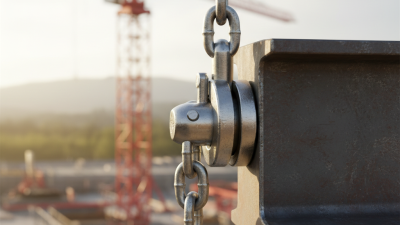
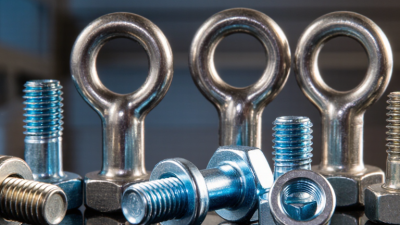
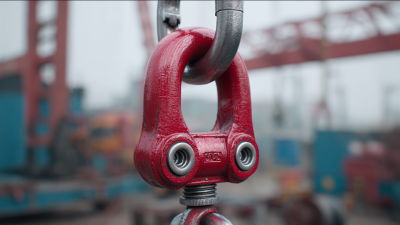
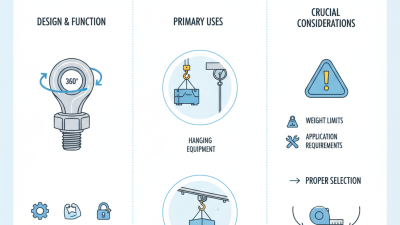
A swivel eye bolt is a lifting fitting with a rotating eye and a threaded or bolted connection. Unlike a fixed eye bolt, it can align with the pulling direction. This reduces twisting at the attachment point.
Inside, the eye rotates around a shoulder, pin, or bearing surface. The load should travel through the eye’s centerline. Side loading changes the force path and may sharply reduce the working load limit. ASME B30.26 covers rigging hardware practices, while ISO 3266 addresses forged steel eyebolts for general lifting. These documents emphasize identification, inspection, and rated usage.
According to the U.S. Bureau of Labor Statistics, construction recorded 1,069 fatal work injuries in 2022. The figure does not isolate eye bolts, but it shows why small rigging details matter. Before use, technicians should check thread engagement, cracks, deformation, corrosion, and smooth rotation. The marked working load limit must match the actual lifting angle. A clean-looking fitting can still hide thread damage. That assumption is risky.
Installation also matters. The bolt must seat fully against a suitable surface, without washers or spacers that change the design. Loads should rise gradually, not shock the fitting. Never use a swivel eye bolt as a casual tie-down point unless its rating allows it. Real sites are less tidy. Rechecking the connection after initial tension is sensible, even when the paperwork appears complete.
Key Designs, Materials, and Load Ratings
China Best Swivel Eye Bolt Manufacturers and Suppliers?
Choosing a swivel eye bolt requires more than checking thread size. The design must match the lifting direction, connection method, and available clearance. Forged swivel eye bolts usually support controlled rotation under load. Some models pivot through a limited angle, while others rotate 360 degrees. That difference matters when slings move during lifting. A fixed eye may twist instead.
Material affects durability. Heat-treated alloy steel offers high strength for industrial lifting applications. Stainless steel resists corrosion in damp or chemically exposed areas, but its load rating may differ. Zinc-plated finishes can improve surface protection, though coating damage needs inspection. Look for clear material grades, heat-treatment records, and proof-test documentation. Vague descriptions are a warning sign.
Load ratings deserve careful reading. The working load limit is not the breaking load. It depends on loading angle, thread engagement, bolt orientation, and installation torque. A bolt rated for vertical loading may carry less at an angle. Never assume the largest listed number applies everywhere. Ask suppliers for test standards, safety factors, batch traceability, and inspection guidance. Field checks should look for bent eyes, stretched threads, cracks, and heavy corrosion. Small defects matter. One common mistake is selecting by diameter alone. That shortcut feels practical, but it can overlook fatigue and side loading. A reliable manufacturer should explain those limits clearly, even when the answer reduces the quoted capacity.
Swivel Eye Bolt Load Planning: Sling Angle and Leg Tension
For a symmetrical two-leg lift, sling-leg tension rises as the sling angle from vertical increases. The chart shows tension in each leg as a multiple of the total lifted load.
How to read it: At 0°, each leg carries 0.50× the total load; at 60°, each carries 1.00×. Values use the idealized relationship 1 ÷ (2 × cos θ), assuming equal load sharing. This is a rigging calculation, not a swivel eye bolt rating. Always follow the product’s marked working load limit, loading-direction requirements, and manufacturer instructions; design and material affect the applicable rating.
China’s Swivel Eye Bolt Manufacturing Landscape
China Best Swivel Eye Bolt Manufacturers and Suppliers?
China’s swivel eye bolt manufacturing landscape combines forging, machining, heat treatment, and surface finishing. Many factories produce carbon steel, alloy steel, and stainless steel versions. Their equipment often includes automated forging lines and computer-controlled lathes. This supports consistent dimensions across large production runs.
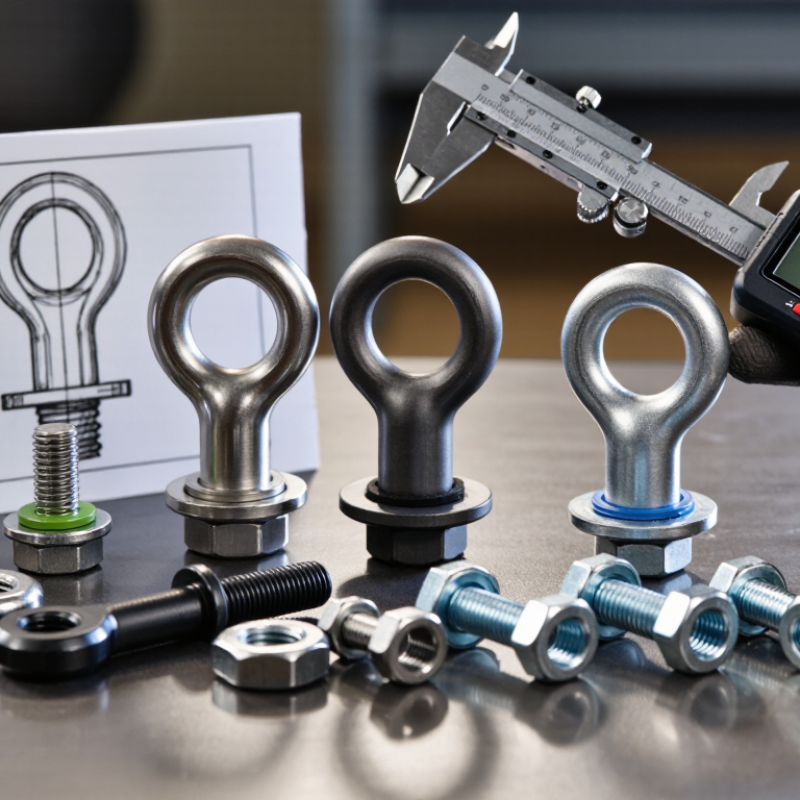
In practical sourcing, buyers should inspect the eye design, thread accuracy, and swivel movement. A properly finished eye turns smoothly without excessive side play. Load markings must match test records, not only product catalogues. Reliable suppliers can provide material certificates, dimensional reports, and batch-based traceability. Some facilities also offer custom threads, coatings, packaging, and private production drawings.
Quality varies more than online listings suggest. That gap deserves attention. A factory may pass visual inspection but miss hardness consistency. Sample testing should include proof loading, salt-spray checks, and repeated rotation. Thread gauges can reveal small defects before installation. It is also wise to confirm the intended lifting direction and working load limits with a qualified engineer. Certificates help, but they do not replace independent verification. Even experienced purchasers sometimes overlook packaging damage, especially around exposed threads. Photographs taken before shipment can clarify responsibility when cartons arrive wet, crushed, or incomplete.
How to Evaluate Manufacturers and Suppliers
Evaluating China’s best swivel eye bolt manufacturers and suppliers requires more than comparing prices. In practical sourcing, I inspect production records, test reports, and response quality. Ask whether the eye bolt is forged or machined, and request the stated steel grade. A reliable supplier can explain the working load limit, proof load, thread tolerance, and surface treatment clearly. Vague answers deserve caution. They may indicate weak process control.
Request recent material certificates and independent load-test records for the exact model, not a similar sample. Check whether each batch carries a heat number, inspection date, and traceable packing label. During a factory visit, look for calibrated load equipment, thread gauges, and controlled heat-treatment records. Samples should fit your mating hardware without forced alignment. Rotate the eye under suitable load conditions. Small movement can expose poor machining. Photos help, but physical inspection is stronger.
Supplier evaluation also includes communication, sampling, packaging, and after-sales handling. Confirm minimum order quantity, lead time, replacement terms, and export documents before ordering. Compare several quotations, but do not select the lowest figure automatically. A cheap bolt with inconsistent threads can create costly delays. Request a pilot order and record measured dimensions on arrival. My own checklists are not perfect; they sometimes miss packaging damage or coating variation. A second inspection is worthwhile. A dependable partner accepts questions, shares limitations, and improves when evidence shows a defect.