Choosing the right rigging supply is more than comparing prices on a supplier website. It is a decision about load security, worker protection, delivery reliability, and long-term operating cost. A shackle may look strong in a product photograph. Its working load limit, alloy, pin design, and certification matter more.
Mike Parnell, a respected lifting-industry educator, puts it plainly: “If you don’t know the answer, stop and ask.” That advice deserves attention. Global buyers should ask for traceable test certificates, clear product markings, inspection guidance, and evidence of quality control. They should also confirm whether slings, wire rope, hooks, and lifting points suit the actual load, angle, temperature, and working environment. A supplier who answers vaguely may create risk, even when the catalog looks impressive.
Small details reveal practical experience. Check the label before connecting a sling. Review the inspection date. Notice whether packaging protects metal parts from moisture during ocean transport. Confirm that replacement components remain available after purchase. Regional standards and documentation expectations can differ, so technical support should be easy to reach.
No checklist is perfect. Buyers can overlook fatigue, corrosion, or an unusual lifting angle. I have seen specifications appear complete while one critical dimension remained unclear. That is why a dependable rigging supply partner welcomes questions, provides readable documents, and supports safe selection after the sale. The strongest choice is rarely the cheapest item. It is the product that can be identified, verified, used correctly, and supported throughout its service life.
Choosing a rigging supply starts with the intended application, not the catalog. Define the working load limit, load shape, lifting points, and center of gravity. An uneven steel frame can tilt suddenly, even when its total weight seems acceptable. Measure actual conditions. Do not estimate sling angles from memory.
The lifting method also affects equipment selection. A vertical lift, basket hitch, and choker hitch create different forces. Sling angle reductions must be checked carefully. Include possible shock loading, edge contact, repeated cycles, and the required lifting height. Sharp corners need suitable protection. Small details matter. In field practice, a seemingly minor radius can damage a sling during tensioning. This is where many purchasing decisions become too optimistic.
Review the operating environment before approving the supply. Temperature, moisture, chemicals, abrasion, and outdoor storage can change service life. Confirm material compatibility and select equipment with clear working load limits. Ask for inspection records, test certificates, product traceability, and understandable instructions. Global buyers should also verify conformity with applicable regional requirements and ensure replacement parts are available locally. A supplier should explain limitations, not only capacity. One weak assumption can affect the entire lift. I would rather pause and revise the specification than accept equipment that only appears suitable.
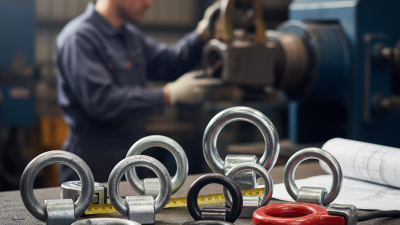
Load capacity should guide every rigging purchase. Never confuse breaking strength with working load limit (WLL). Calculate the load, sling angle, hitch type, shock loading, and edge contact. A shallow sling angle increases tension sharply. For example, two legs at 30 degrees can carry much more tension than expected. ASME B30.9 and OSHA guidance require clear identification, rated capacity, and regular inspection. Ask for test certificates with traceable batch numbers.
Material selection depends on the working environment. Polyester slings are lightweight and flexible, but chemicals, heat, and sharp edges can damage them. Wire rope handles abrasion well, yet corrosion can develop inside the rope. Alloy chain suits demanding lifting conditions, although it requires correct grade identification and careful inspection. Follow the temperature and chemical limits provided by the manufacturer. ISO and EN standards can support purchasing decisions, but certificates still need practical verification.
The ILO reported nearly three million work-related deaths and 395 million non-fatal injuries worldwide in 2023. These figures cover all industries, not rigging alone, but they show why safety margins matter. One uncomfortable lesson is that paperwork can look complete while equipment is poorly stored.
Tips: Compare WLL, material, standard, inspection date, and traceability before ordering. Photograph every label on arrival. Reject stretched, cut, corroded, or unreadable equipment. When specifications remain unclear, pause the lift. A cheaper purchase can become an expensive assumption.
Global buyers should compare rigging suppliers through evidence, not polished catalogs. The ILO’s 2023 estimates report nearly three million work-related deaths annually. That figure makes supplier competence a safety requirement, not a price preference. Ask for test certificates, inspection records, material grades, and clearly stated working load limits. Check whether certificates match the applicable standard, such as ISO, EN, or ASME requirements. A certificate alone is not proof of safe production.
Supplier quality systems also deserve careful review. The ISO Survey 2022 recorded more than 1.2 million ISO 9001 certificates across 178 countries and economies. This shows broad adoption, but certification does not guarantee every sling, shackle, or chain is suitable. Request the certificate number, issuing body, audit scope, and expiry date. Product traceability should connect each item to a batch, heat number, inspection result, and manufacturing date. QR codes help, but paper records still matter when digital systems fail. That happens.
Tips: Compare three suppliers using the same checklist. Verify certificates directly with the issuing organization. Ask for sample traceability records before placing a bulk order. Confirm replacement parts and inspection support in your destination country. Avoid suppliers who provide generic documents without matching product markings. A lower quotation can become expensive after delays, failed audits, or unclear liability. I would also recheck translated documents carefully; one small wording error can change a load limit.
How to Choose the Right Rigging Supply for Global Buyers
Choosing rigging supplies for global projects requires more than comparing prices. In field purchasing, I have seen small specification gaps delay entire shipments. Start with the load, lifting angle, working environment, and expected service life. Ask for material certificates, rated capacities, inspection records, and clear test methods. Customization may include length, fittings, coatings, labels, or packaging. However, every added feature needs a documented reason. Extra customization can create confusion during replacement.
Compatibility deserves careful attention. Check connection dimensions, thread standards, pin diameters, sling widths, and load ratings. A component can fit physically yet fail operationally. Confirm whether parts work with existing hooks, shackles, spreader beams, and lifting points. Request drawings or samples before approving volume production. I once underestimated packaging space, and the final cartons exceeded warehouse limits. That mistake was avoidable. Supplier communication should cover tolerances, markings, inspection stages, and acceptable substitutions.
Tips: Prepare a product data sheet with measurements and photographs. Request a pre-shipment inspection for customized orders. Compare shipping terms, transit times, insurance responsibilities, and destination charges. For urgent cargo, confirm port alternatives and customs documents early. Use moisture-resistant packaging when routes include humid ports. Leave buffer time; global schedules change. Recheck every document. A reliable supplier should explain limitations, not promise everything.
Compare seller and buyer responsibilities across selected Incoterms® 2020 options when evaluating customization, compatibility, and international delivery.
Before ordering, confirm the required working load limit, sling angle, connector dimensions, material grade, inspection certificates, and operating environment. The chart shows responsibility allocation under Incoterms® 2020: a value of 1 means the seller normally performs the activity, while 0 means the buyer normally performs it. Incoterms® do not define rigging-product specifications or replace a technical compatibility review.
Source: International Chamber of Commerce, Incoterms® 2020.
Global rigging buyers should verify quality before comparing prices. The ILO’s 2023 safety report estimates nearly 3 million work-related deaths annually. That figure makes traceability more than paperwork. Request material certificates, rated-capacity tests, inspection records, and clear markings on every sling, shackle, and lifting beam. Check whether testing follows recognized standards, such as ISO or ASME requirements. A polished certificate is not proof by itself.
Pricing needs equal discipline. Compare identical specifications, including grade, diameter, length, coating, packaging, freight, and inspection fees. The World Bank’s Commodity Markets Outlook shows continuing volatility across industrial commodity prices, so a fixed quote may hide future cost assumptions. Ask how long pricing remains valid. Ask who pays for replacement testing. A low quote can still be wrong.
Warranty language should state coverage, exclusions, claim evidence, and response times. Long-term support matters when a component fails during a shutdown. The U.S. Bureau of Labor Statistics recorded 1,069 fatal injuries in transportation and material-moving occupations in 2022. Reliable suppliers should provide inspection guidance, spare-part access, technical drawings, and documented training. In practice, some buyers focus too heavily on warranty length. That is a mistake. A ten-year warranty with slow technical support may offer less protection than a shorter, clearly administered warranty. Keep records. Recheck assumptions.
| Rigging Supply Type | Typical Working Load Limit | Common Material | Applicable Quality References | Indicative Unit Price | Typical Warranty | Recommended Inspection Frequency | Long-Term Support Requirements |
|---|---|---|---|---|---|---|---|
| Wire Rope Slings | 1–20 metric tonnes, depending on diameter, construction, and hitch configuration | Galvanized or bright steel wire rope with alloy steel end fittings | ASME B30.9, EN 13414, ISO 2408, applicable local lifting regulations | US$25–US$450 per sling | 12–24 months against manufacturing defects | Before each use, plus a documented periodic inspection at least every 12 months | Traceable certificates, replacement ferrules or fittings, inspection training, and spare-part availability |
| Synthetic Web Slings | 1–25 metric tonnes, depending on width, layers, and lifting mode | High-tenacity polyester webbing with reinforced eyes and protective sleeves | ASME B30.9, EN 1492-1, WSTDA recommendations | US$8–US$220 per sling | 12–24 months against manufacturing defects; wear is normally excluded | Before each use and immediately after exposure to cuts, chemicals, heat, or abrasion | Color-coded capacity labels, replacement sleeves, material-compatibility guidance, and disposal advice |
| Alloy Steel Shackles | 0.5–150 metric tonnes, depending on body size and configuration | Forged, quenched, and tempered alloy steel with galvanized or painted finish | ASME B30.26, EN 13889, ASTM A574 or equivalent material and proof-test requirements | US$6–US$1,200 per piece | 12–24 months against defects in material and workmanship | Before each use; detailed inspection at least annually or more often in severe service | Permanent identification, proof-test records, replacement pins, dimensional data, and corrosion guidance |
| Grade 80/100 Chain Slings | 1–50 metric tonnes, depending on chain diameter and number of legs | Heat-treated alloy steel chain with shortening hooks and master links | ASME B30.9, EN 818, ISO 3076, and relevant national lifting requirements | US$60–US$900 per assembly | 12–24 months against manufacturing defects | Before each use; periodic inspection at intervals based on duty cycle and site conditions | Chain shortening components, repair links, calibration records, operator training, and load-rating tables |
| Lifting Beams and Spreader Beams | 5–200 metric tonnes, subject to design, span, and lifting-point arrangement | Welded structural steel with engineered lifting lugs and protective coating | ASME B30.20, EN 13155, FEM design practices, and site-specific engineering codes | US$1,500–US$30,000 per beam | 12–24 months for fabrication defects; structural modifications require engineering approval | Pre-use visual checks and documented structural inspection at least annually | Certified drawings, load-test documentation, engineering calculations, coating repair, and recertification service |
| Manual Chain Hoists | 0.5–20 metric tonnes, depending on hoist capacity and lift height | Alloy steel load chain, enclosed gearing, forged hooks, and mechanical brake | ASME B30.16, EN 13157, ISO 16877, and applicable workplace safety rules | US$90–US$2,500 per hoist | 12–24 months, subject to correct installation and maintenance | Before each use and periodic examination based on operating frequency and environment | Brake and chain kits, service manuals, load testing, spare-part lead times, and technician support |
| Buyer Verification Notes: Prices are indicative international market ranges in USD and may vary with capacity, quantity, customization, testing, freight, duties, and destination. Confirm the working load limit for the exact lifting configuration, request material and proof-test certificates, verify permanent product identification, review warranty exclusions, and obtain written confirmation of spare-part and inspection support before purchase. | |||||||