Buying a wire rope sling for international lifting work is not a simple price comparison. A sling may look strong on a supplier’s website, yet its real suitability depends on construction, fittings, working load limit, and operating conditions. This guide presents ten practical buying tips for global buyers who need safer, more consistent procurement decisions.
Experienced buyers begin with the load, lifting method, sling angle, and available headroom. They confirm rope diameter, grade, core type, end termination, and required length. Small details matter. A missing tag can delay approval at a busy warehouse. A poorly protected eye can suffer damage during repeated handling. Corrosion, sharp edges, heat, and chemical exposure also require careful evaluation. Product drawings, inspection records, test documents, and traceability details should be reviewed before shipment.
Supplier communication deserves equal attention. Ask for clear specifications, realistic production times, packaging photographs, and replacement recommendations. Compare samples when possible. Check whether the supplier explains limitations instead of promising everything. That honesty is valuable. However, no checklist can replace competent inspection and safe lifting procedures. Requirements may also differ by country, industry, and project, so buyers should verify applicable standards with qualified local professionals. A cheaper sling can become expensive after delays, rejected goods, or premature wear. Our assumptions may be wrong. Recheck them before ordering. With disciplined questions and documented decisions, global buyers can select a wire rope sling that better matches performance needs, quality expectations, and responsible procurement practices.
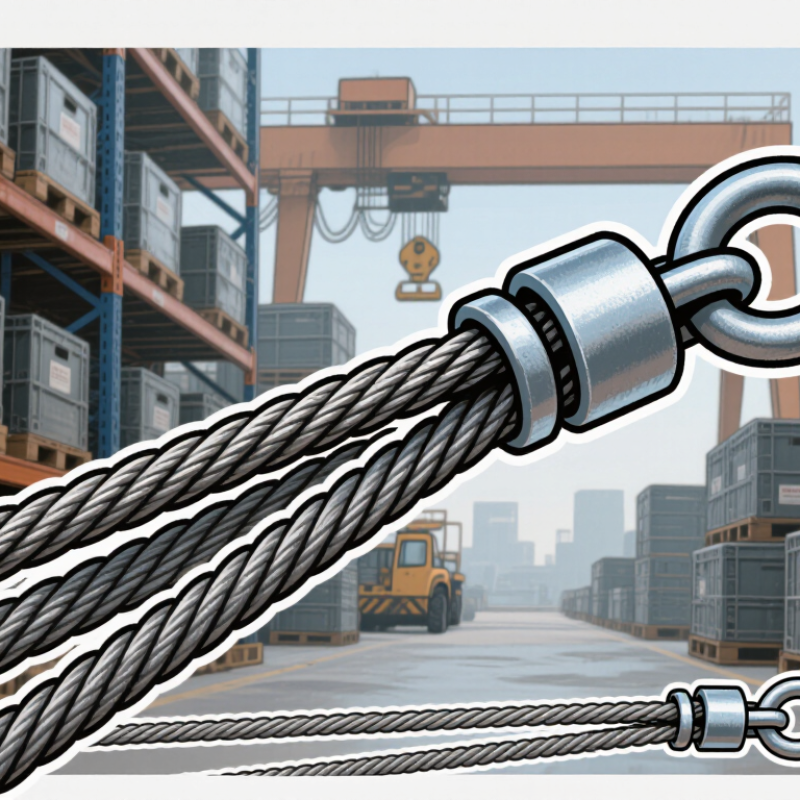
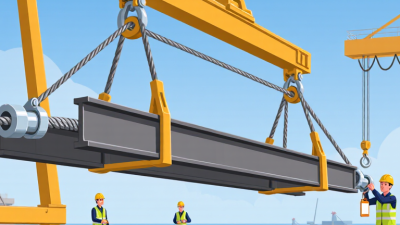
Defining the correct wire rope sling begins with the lifting task, not the product catalogue. Identify the load weight, center of gravity, lifting points, and available headroom. A single-leg sling may suit a balanced load with one attachment point. Multi-leg slings can support wider loads, but uneven loading remains a serious risk. Endless slings work well around suitable objects, while eye-and-eye slings offer flexible attachment options.
Tip: Match the sling type to the load shape and connection method. Decide whether the lift uses a vertical, choker, or basket hitch. Each hitch changes the working load limit. A choker can reduce capacity when the angle is tight. Basket hitches need balanced support and stable contact. Never assume the rated capacity stays unchanged.
The application environment also affects selection. Outdoor lifting may expose the rope to rain, grit, and corrosion. Sharp edges can crush or cut wires without corner protection. Heat, chemicals, repeated bending, and dragging may shorten service life. Confirm the required length, eye size, fitting style, and safety factor with a qualified lifting professional. I have seen buyers focus on price and overlook awkward load geometry. That mistake can create side loading and sudden instability. Check markings, inspection records, and visible damage before use. Stop the lift if the sling twists, kinks, bird-cages, or shows broken wires. Some specifications are easy to misread. Recheck them against the actual site conditions.
| No. | Buying Tip | Recommended Wire Rope Sling Type | Typical Application | Important Selection Data | Key Limitations or Checks | Common Reference |
|---|---|---|---|---|---|---|
| 1 | Define the load weight and required working load limit before requesting a quotation. | Single-leg sling | Vertical lifting of a balanced load with one suitable lifting point. | Rated capacity, rope diameter, sling length, end fittings, and lifting angle. | The sling must not be loaded above its marked working load limit. Account for hitch type, angle, and connection hardware. | ASME B30.9 |
| 2 | Choose a two-leg assembly when the load requires two lifting points and better stability. | Two-leg bridle sling | Machinery, structural frames, skids, and loads with two designated lifting lugs. | Leg length, included angle, master link, lower fittings, and the working load limit at the intended angle. | As the angle from horizontal decreases, tension in each leg increases. Avoid angles that are not approved by the manufacturer or applicable standard. | ASME B30.9 / EN 13414-1 |
| 3 | Use a multi-leg assembly only when the load and lifting points are engineered for load distribution. | Three-leg or four-leg bridle sling | Large vessels, frames, fabricated structures, and loads with multiple certified lifting points. | Number of effective load-bearing legs, leg lengths, top fitting, lower fittings, and permitted sling angle. | In real lifting conditions, the load may not be shared equally by every leg. Follow the manufacturer’s rated configuration. | ASME B30.9 / EN 13414-1 |
| 4 | Select a choker configuration when the sling must tighten around the load. | Single-leg choker sling | Bundles, pipes, beams, and loads that can be safely cinched without damage. | Choker capacity, choke angle, rope diameter, eye size, and contact condition. | A choker hitch generally has a lower rated capacity than a vertical hitch. The choke point should not be placed over a fragile edge. | ASME B30.9 |
| 5 | Use a basket configuration when the load can be supported from underneath. | Basket sling | Long, stable loads such as pipes, beams, plates, and cylindrical components. | Basket capacity, load balance, sling angle, load diameter, and protection against slipping. | The load must be balanced and supported by both sling parts. Use suitable protection where the load can cut, crush, or abrade the rope. | ASME B30.9 / EN 13414-1 |
| 6 | Specify the rope construction according to flexibility, abrasion, and fatigue requirements. | Rotation-resistant or regular-lay wire rope sling | Rotation-sensitive loads, crane handling, general fabrication, and industrial material lifting. | Rope construction, strand design, nominal diameter, minimum breaking force, and bending conditions. | Rotation-resistant ropes require proper handling and may have different inspection and use requirements. Do not rotate a suspended load unless the lifting plan permits it. | ISO 4309 / ASME B30.9 |
| 7 | Match the end termination and fittings to the lifting points and connection method. | Socketed, Flemish-eye, mechanically spliced, or swaged-end sling | Heavy lifting, crane operations, construction, marine handling, and general industrial lifting. | Eye dimensions, shackle compatibility, hook size, socket or ferrule type, and termination efficiency. | Fittings must be compatible with the rope and load. Never force a hook, shackle, or eye onto a connection point that is too small. | EN 13414-1 / ASME B30.9 |
| 8 | Measure the required length from the correct bearing points before placing a custom order. | Custom-length wire rope sling | Restricted-clearance lifts, repetitive production work, and loads with fixed lifting geometry. | Overall length, bearing-point measurement, eye orientation, tolerance, and required number of legs. | Incorrect length can change the sling angle and load distribution. Confirm whether length is measured eye-to-eye, bearing-point-to-bearing-point, or by another defined method. | EN 13414-1 |
| 9 | Consider the environment before selecting galvanized, bright, or corrosion-protected rope. | Galvanized or corrosion-protected wire rope sling | Outdoor construction, ports, coastal areas, humid facilities, and general exposure to moisture. | Corrosion exposure, temperature, chemical contact, lubrication requirements, and storage conditions. | Galvanizing does not make the sling immune to corrosion. Inspect for broken wires, corrosion, deformation, heat damage, and damaged fittings. | ISO 4309 / ASME B30.9 |
| 10 | Verify markings, certificates, inspection criteria, and traceability before shipment. | Certified assembly with identification tag | International procurement, regulated lifting operations, construction projects, and routine crane maintenance. | Working load limit, rope diameter, length, hitch rating, serial or batch identification, inspection records, and applicable standard. | The tag should remain legible and securely attached. Remove a sling from service if it has severe corrosion, kinking, birdcaging, heat damage, crushed sections, or other rejection conditions. | ASME B30.9 / EN 13414-1 / ISO 4309 |